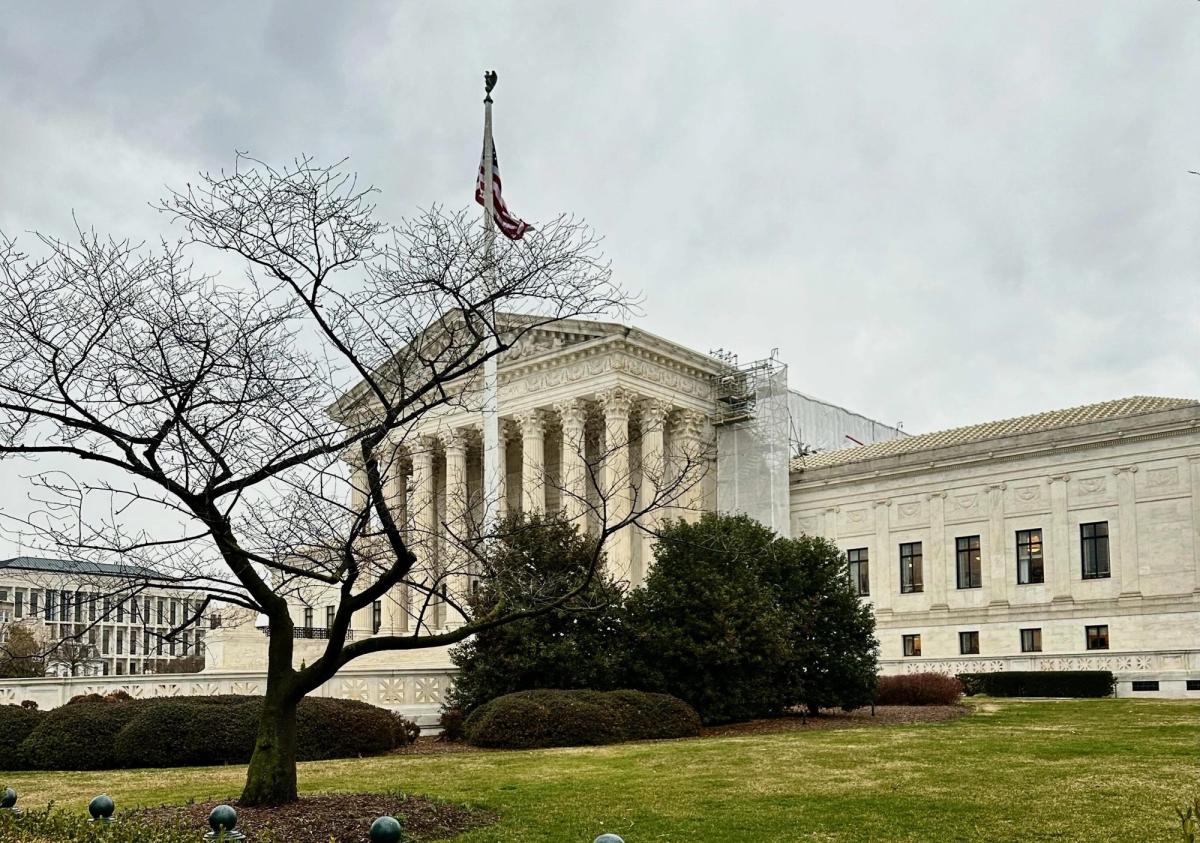
# SCOTUS Faces Criminal Docket as Term Opens
The Supreme Court enters its new term with several criminal cases on the docket, presenting opportunities for the justices to address gaps in existing precedent and modernize criminal law doctrine.
The cases cover procedural and substantive issues that affect how federal prosecutors and state law enforcement operate. One set involves questions about jury composition and the right to counsel. Another touches on sentencing discretion and the scope of prosecutorial power. These disputes arise from convictions in lower courts where defendants challenged their treatment under the Sixth Amendment, Fourth Amendment, and related statutes.
Legal analysts argue the Court has lagged in updating criminal law standards to reflect contemporary practices. Decades-old precedent sometimes fails to account for how investigations and prosecutions actually work now. Digital surveillance, DNA evidence, and plea bargaining have transformed criminal procedure, yet appellate frameworks have not always evolved accordingly.
The justices could use this term to clarify several unsettled questions. Whether prosecutors must disclose exculpatory evidence more broadly. How courts should evaluate ineffective assistance of counsel claims in the modern era. What limits apply to police searches in technological contexts. Each decision could reshape how prosecutors and defense lawyers navigate the criminal system.
Some observers express skepticism that the current Court will expand protections for criminal defendants, given the ideological composition of the bench. Others note that criminal law occasionally produces unexpected coalitions across ideological lines, particularly when constitutional text or historical tradition strongly supports a defendant's position.
The docket signals both the ongoing relevance of criminal justice in the Court's work and the persistent questions about whether existing doctrine adequately protects fundamental rights. These cases will determine whether the Supreme Court modernizes criminal law or leaves practitioners to work within increasingly outdated frameworks.