# Judicial Ideology and Supreme Court Drift
The Supreme Court's ideological composition has shifted dramatically over recent decades, with justices moving noticeably rightward from their nomination positions. This phenomenon, documented by legal scholars tracking voting patterns and opinion language, reflects how justices' judicial philosophies evolve once seated on the bench.
Chief Justice John Roberts exemplifies this drift. He arrived at the Court with a reputation as a reliable conservative vote. Yet his majority opinions in cases like National Federation of Independent Business v. Sebelius (upholding the Affordable Care Act) and Trump v. Anderson (limiting presidential immunity restrictions) demonstrated nuanced constitutional reasoning that surprised ideological allies. Similarly, Justice Anthony Kennedy's retirement opinion reaffirmed abortion rights before his eventual shift against abortion restrictions, then penned the Obergefell v. Hodges marriage equality decision.
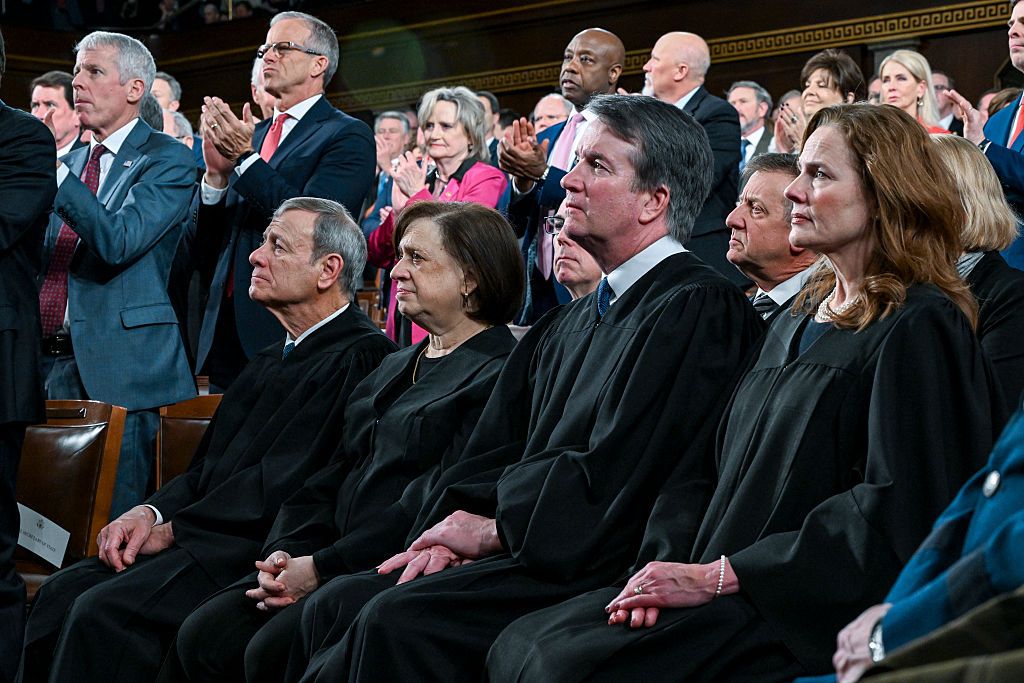
The current Court presents a starker picture. Justice Brett Kavanaugh and Justice Amy Coney Barrett, appointed by President Donald Trump, have issued opinions broader than anticipated by some conservative originalists. Meanwhile, Justice Clarence Thomas has authored opinions pushing originalism further than his colleagues. Justice Samuel Alito's Dobbs v. Jackson Women's Health Organization opinion overturning Roe v. Wade represented a seismic institutional shift, yet some originalists viewed it as insufficiently radical.
This drift occurs through multiple mechanisms. Justices interact with each other's reasoning during oral arguments and draft opinions. They study historical records more deeply than during confirmation hearings. They confront real-world consequences their prior academic work never addressed. They also respond to institutional pressure and public perception of the Court's legitimacy.
The practical implication proves significant. Businesses cannot predict outcomes based solely on appointment history. Civil rights litigants face an unpredictable bench. Lower courts struggle to apply precedent when future justices may reinterp