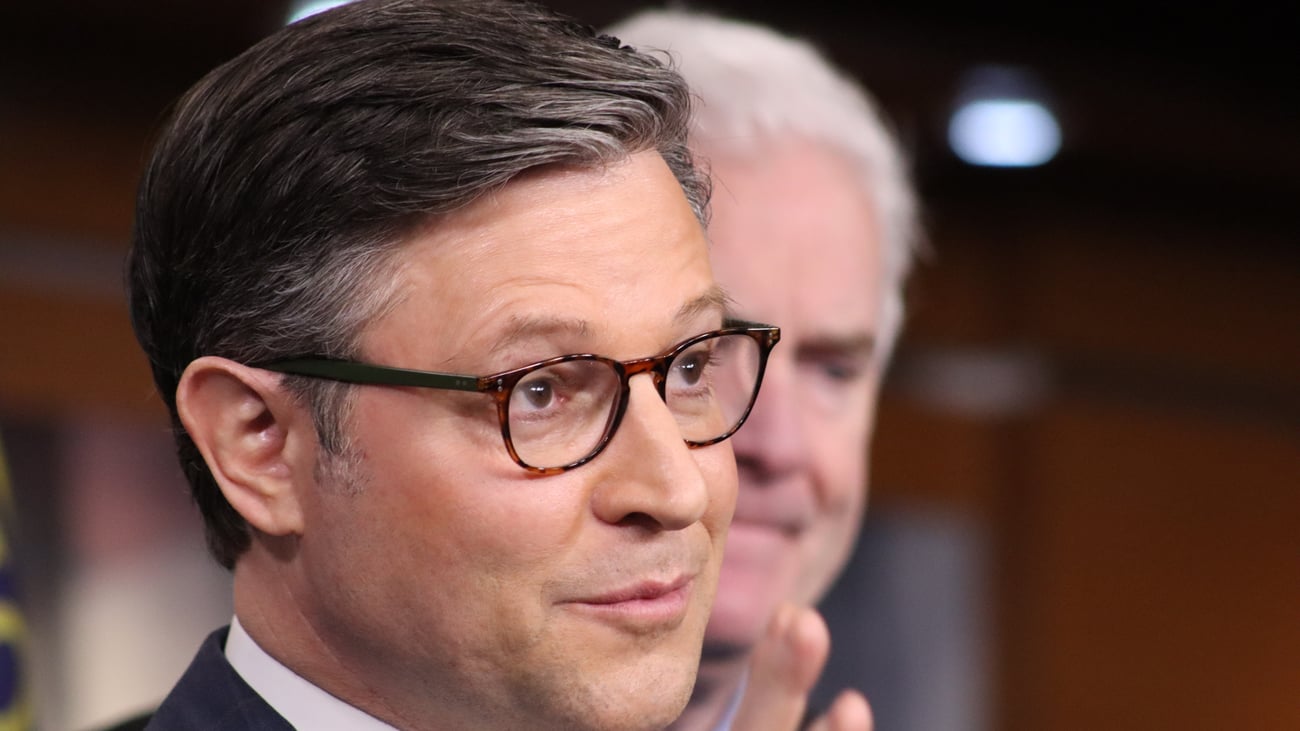
House Speaker Mike Johnson dismissed warnings from technology industry leaders about catastrophic artificial intelligence risks as a "hoax," drawing a parallel to climate change predictions he has criticized. Johnson characterized concerns about civilization-ending AI scenarios as exaggerated rhetoric from the tech sector.
Despite his skepticism toward doomsday AI forecasts, Johnson stated that artificial intelligence development should proceed with "common sense" safety guidelines. He declined to specify what regulatory framework or statutory protections those guidelines should entail.
Johnson's comments reflect a broader political divide over AI governance. Tech industry figures including Sam Altman of OpenAI and other researchers have publicly warned that advanced AI systems pose existential risks without proper safeguards. These warnings have prompted calls for federal legislation establishing AI safety standards and oversight mechanisms.
The Speaker's characterization mirrors rhetoric employed by former President Donald Trump regarding climate science, whom Johnson echoed in his framing of AI warnings as speculative alarmism rather than evidence-based risk assessment.
The political significance of Johnson's position extends to pending AI regulation proposals in Congress. Multiple bills addressing AI safety, transparency, and liability standards remain under consideration. Johnson's dismissive stance suggests potential resistance to comprehensive regulatory frameworks, though he acknowledged some protective measures merit adoption.
Industry stakeholders remain divided on appropriate regulatory approaches. While some companies support baseline safety standards, others resist constraints they argue could stifle innovation. Absent clear congressional guidance, tech companies continue developing powerful AI systems with varying internal safety protocols.
Johnson's comments carry practical implications for any future AI legislation. Congressional leaders skeptical of catastrophic risk scenarios may prioritize innovation over precautionary governance standards. This positioning could influence whether Congress adopts narrow technical requirements or broader authorities for AI oversight agencies.