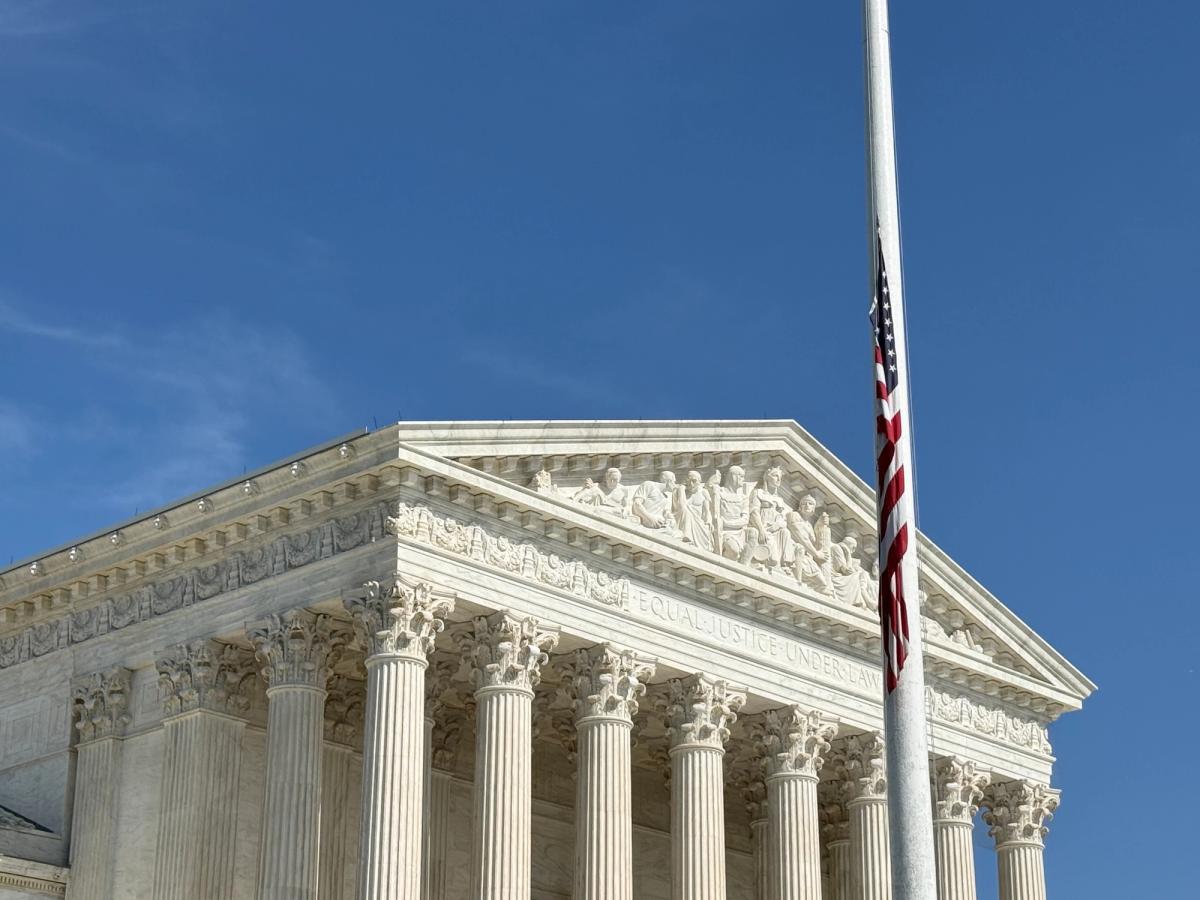
# The "Born Free and Equal" Clauses and the Noxious Buck v. Bell
State constitutions across the country contain "born free and equal" clauses that predate the Fourteenth Amendment's equality guarantee. These provisions now offer legal pathways to overturn forced sterilization laws rooted in the Supreme Court's infamous 1927 decision in Buck v. Bell, 274 U.S. 200.
In Buck v. Bell, the Supreme Court upheld Virginia's forced sterilization statute, endorsing the eugenic premise that the state could compel the sterilization of individuals deemed "unfit." Justice Oliver Wendell Holmes Jr. authored the majority opinion, containing the notorious phrase that "three generations of imbeciles are enough." The decision has never been formally overruled, though it remains deeply discredited in contemporary jurisprudence.
Several states retain forced sterilization statutes on their books, despite the laws' repugnant origins and modern constitutional rejection of eugenic ideology. Federal law does not explicitly criminalize such statutes, creating a legal vacuum where state-level remedies become essential.
State constitutional "born free and equal" clauses, found in the founding documents of many states, provide independent grounds to challenge these laws. Unlike reliance on federal equal protection doctrine alone, state constitutional provisions allow plaintiffs to establish violations based on text predating the Fourteenth Amendment. Courts have shown increasing willingness to interpret these clauses expansively, recognizing protections against forced medical procedures and bodily autonomy infringements.
The strategic advantage is twofold. First, state courts applying state constitutional law are not bound by Buck v. Bell's federal precedent. Second, these provisions often contain explicit language guaranteeing fundamental equality, creating stronger textual foundations for invalidating forced sterilization regimes.
Survivors of forced steril