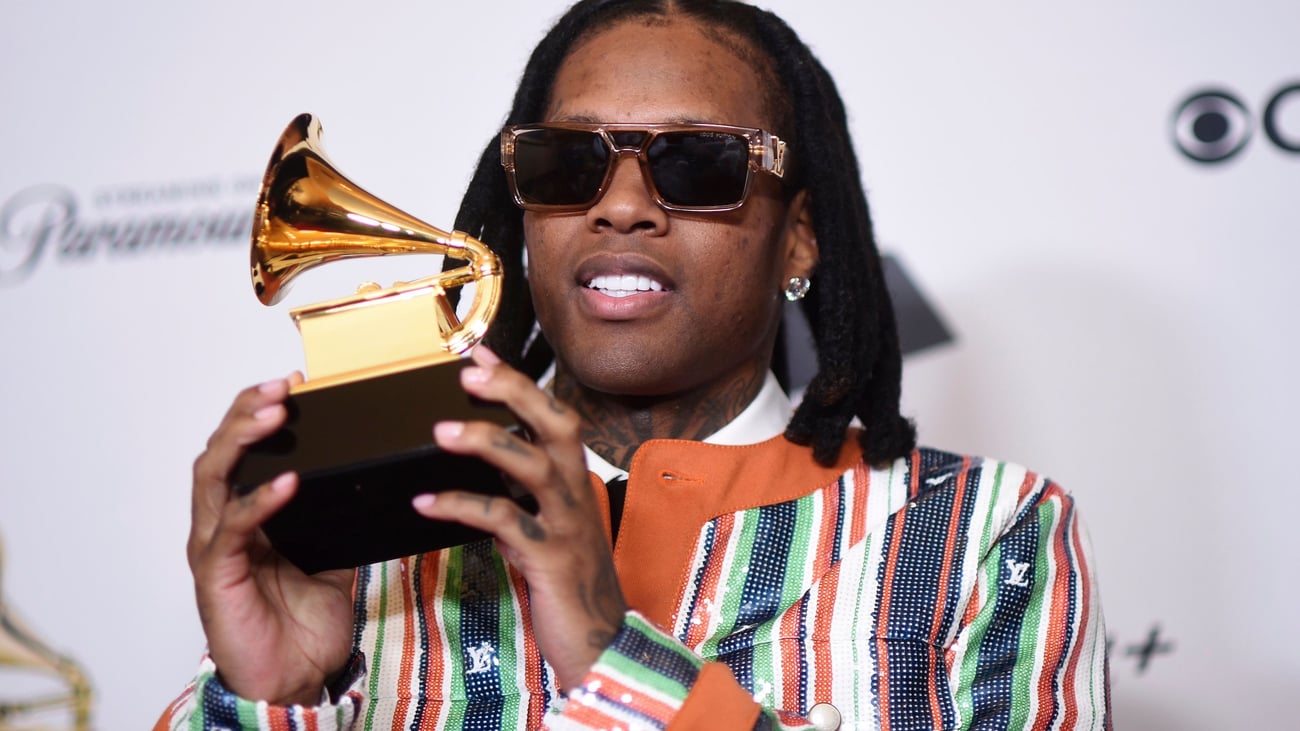
Lil Durk, the Grammy-winning rapper born Durk Derrick Banks, was acquitted of murder-for-hire charges in connection with the 2022 death of 24-year-old Saviay'a Robinson. The verdict represents a major victory for the Chicago-based artist, who faced federal prosecution alleging he orchestrated Robinson's killing.
Prosecutors charged Durk with murder-for-hire under federal statutes that criminalize paying or arranging for someone to commit murder. The case centered on Robinson's death and the government's theory that Durk directed or financed the killing. Federal murder-for-hire charges carry severe penalties, including mandatory minimum sentences and potential life imprisonment upon conviction.
The acquittal eliminates the most serious charge against Durk. The jury's not guilty verdict means prosecutors failed to convince the panel beyond a reasonable doubt that Durk engaged in the conspiracy or financial arrangement alleged in the indictment. This outcome differs substantially from convictions on such charges, which are notoriously difficult to defend and typically result in lengthy sentences.
The case carried significant implications for the hip-hop community and celebrity defendants broadly. High-profile allegations against Durk drew intense media scrutiny and raised questions about artist liability for street violence connected to gang affiliations or personal disputes. The charges compelled Durk to navigate both the criminal justice system and reputational damage while maintaining his music career.
Durk had been held without bail pending trial, meaning his release follows the jury's verdict. The acquittal allows him to resume touring, recording, and professional activities without the cloud of murder-for-hire liability.
This result contrasts sharply with other high-profile hip-hop murder cases. The acquittal demonstrates that federal prosecutors bear the burden of proving beyond reasonable doubt that a defendant orchestrated a killing, not merely that violence occurred