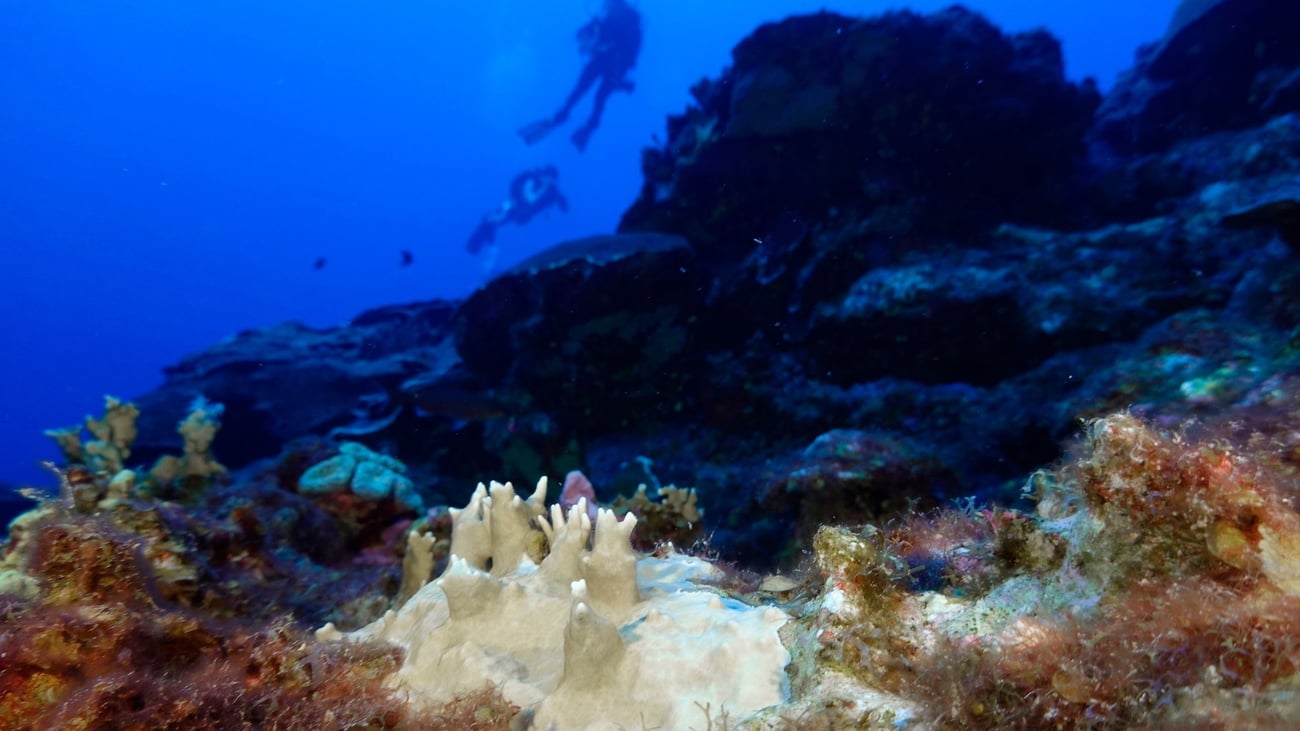
# River pollution threatens health of protected coral reef
The Flower Garden Banks National Marine Sanctuary, a federally protected coral ecosystem located off the coasts of Texas and Louisiana, faces mounting threats from river pollution and climate-related disease outbreaks.
The sanctuary, designated under the Marine Protection, Research, and Sanctuaries Act, serves as a critical habitat for diverse marine species and coral formations. Recent monitoring has documented disease outbreaks linked to elevated nutrient levels from river discharge, particularly from the Mississippi River. These nutrient inputs trigger algal blooms and alter water chemistry, weakening coral resilience to thermal stress and pathogenic infection.
The National Oceanic and Atmospheric Administration manages the sanctuary and bears enforcement responsibility for violations of marine protection regulations. Federal law prohibits activities that degrade sanctuary resources, including discharges that cause pollution harmful to protected ecosystems.
The pollution pattern reflects broader environmental litigation concerns. Nutrient runoff from agricultural and municipal sources upstream creates dead zones and degrades water quality across the Gulf of Mexico. The EPA and state environmental agencies regulate point-source discharges under the Clean Water Act, but nonpoint source pollution from agricultural runoff remains harder to control.
Environmental groups increasingly invoke the Administrative Procedure Act to challenge federal permitting decisions that fail to account for cumulative impacts on marine sanctuaries. Courts have begun requiring agencies to analyze climate change and pollution effects on protected areas when issuing permits for upstream activities.
The Flower Garden Banks outbreak carries economic implications for commercial and recreational fishing industries that depend on the reef's health. The sanctuary supports fisheries valued at millions annually. Continued deterioration could trigger Endangered Species Act listings for affected coral species, imposing stricter protections and access restrictions.
Federal and state agencies face pressure to strengthen source control measures upstream while enhancing local reef protection. This includes tighter regulation of Mississippi River nutrient discharge and potentially restricting certain agricultural