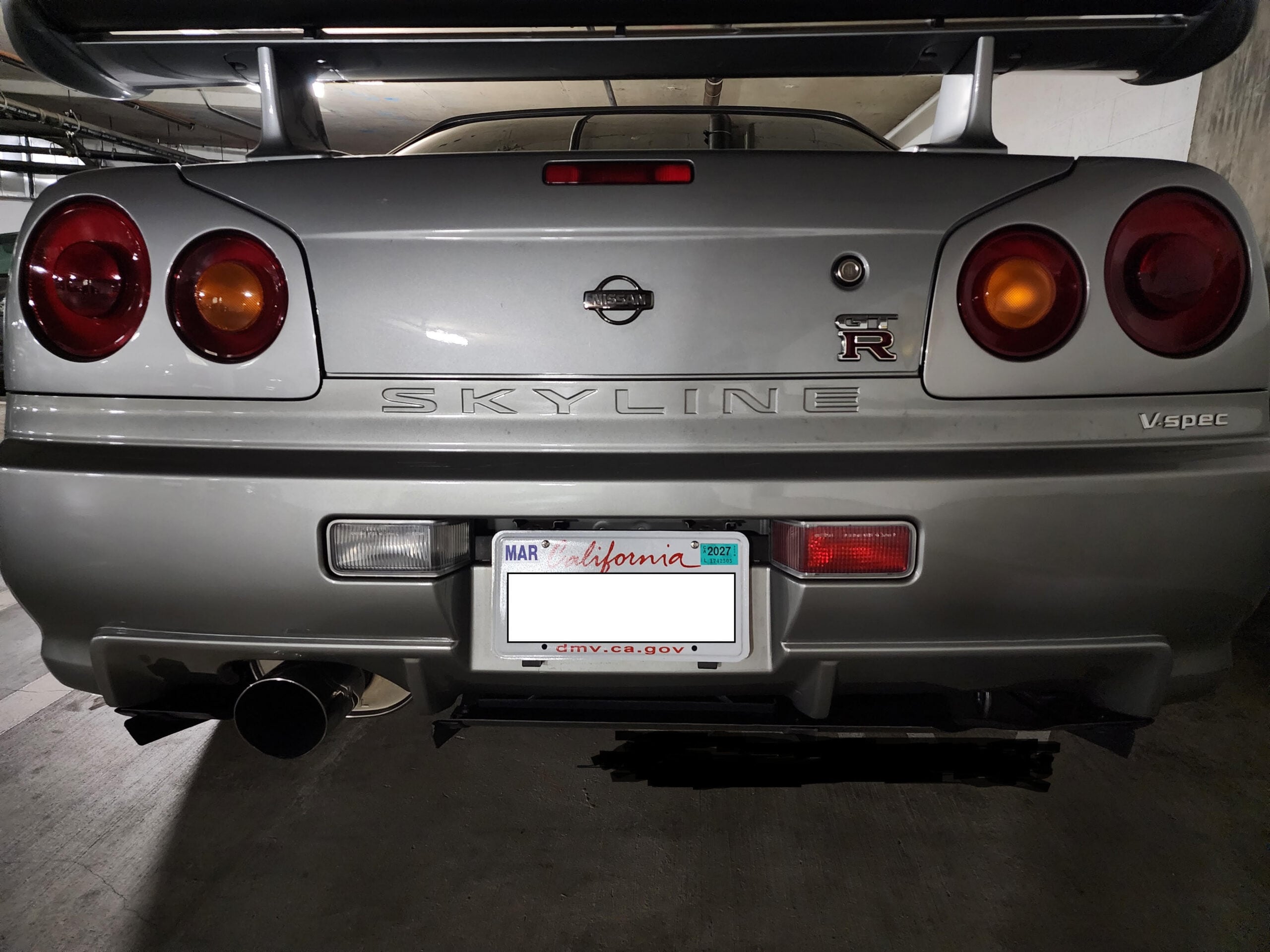
# Registering Imported Vehicles: State Requirements and Regulatory Compliance
Importing a vehicle from overseas requires navigating a complex framework of federal and state regulations before obtaining license plates. The process involves compliance with Environmental Protection Agency emissions standards, Department of Transportation safety requirements, and customs procedures, followed by state-specific registration rules that vary substantially across jurisdictions.
Federal law restricts vehicle imports to those meeting EPA and DOT standards. Vehicles not originally sold in the United States face particular scrutiny. The EPA examines engine design, fuel systems, and emission control equipment. DOT officials verify structural integrity, brake systems, and lighting compliance. Importers must obtain a Customs Declaration and pay applicable duties and tariffs.
State registration procedures diverge significantly. Most states require proof of ownership, proof of import compliance (such as EPA and DOT certificates), and proof of insurance before issuing registration documents. Some states demand additional inspections by state motor vehicle authorities. New York, California, and other states with strict emissions standards often impose extra requirements beyond federal minimums.
The timeline extends several weeks to months. Customs processing at ports of entry typically requires three to fourteen days depending on facility volume. The EPA's HS-7 form and DOT approval letters must be obtained before state registration agencies will proceed. Applicants should budget for broker fees, typically ranging from five hundred to two thousand dollars depending on complexity and import origin.
Owners face residency requirements in most jurisdictions. Non-residents may encounter additional documentation demands or be unable to register imported vehicles in certain states. Some states restrict registration of vehicles over a specified age or with safety features deemed non-compliant with modern standards.
Commercial import operations face stricter scrutiny than individual importers. Federal regulations under 49 CFR 592 establish requirements for importing more than five vehicles annually. The National Highway Traffic Safety Administration and EPA conduct audits and enforce substantial