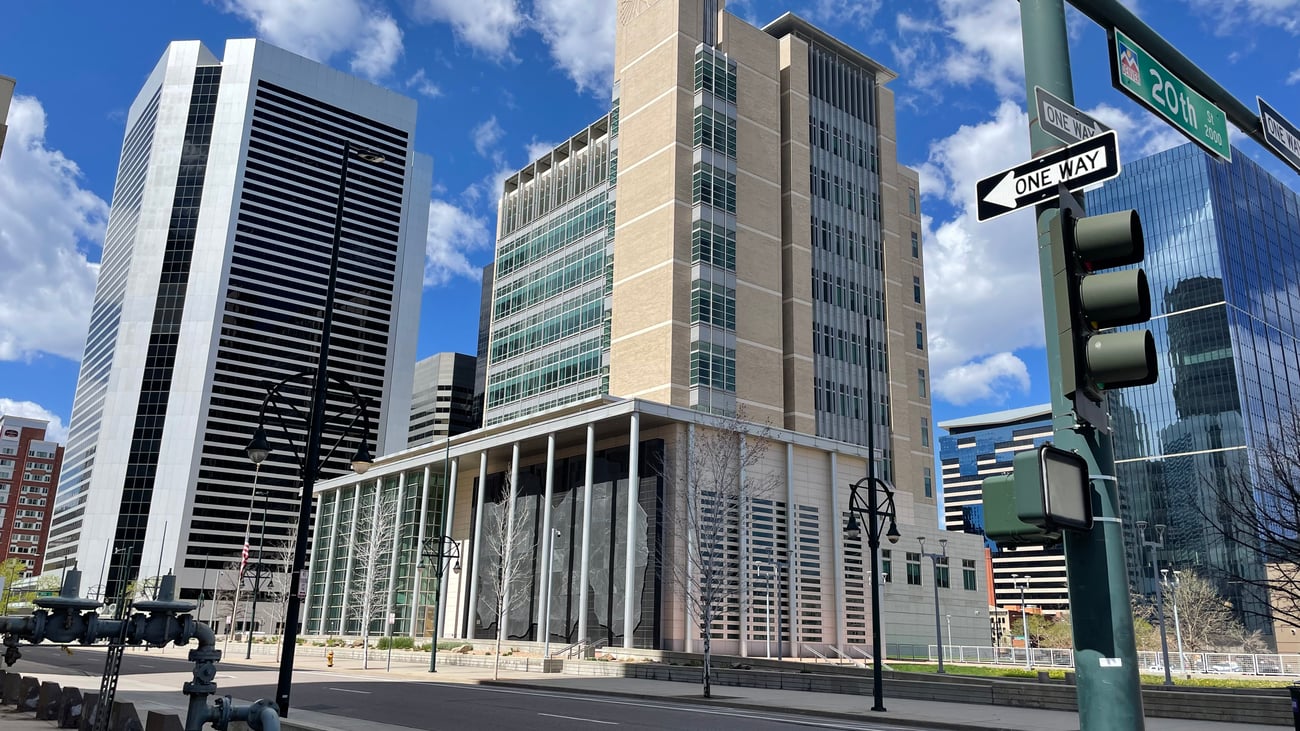
Stephan Long faces an uphill legal battle in Denver after prosecutors charged him with murder following an I-25 roadside incident, despite his assertion to responding officers that he acted in self-defense. The case raises questions about prosecutorial discretion and how law enforcement evaluates self-defense claims at the scene.
Long's core argument centers on whether he had the legal right to use deadly force to protect himself. Colorado law permits individuals to use force, including lethal force, when they reasonably believe it necessary to prevent death or serious bodily injury. The critical issue becomes whether prosecutors properly considered available evidence supporting his self-defense narrative before proceeding with murder charges.
The circumstances matter enormously. Self-defense statutes across jurisdictions require prosecutors to prove beyond a reasonable doubt that a defendant's use of force was not justified. When a defendant invokes self-defense, the burden shifts during trial, but prosecutors retain initial charging discretion. If Long can demonstrate that Denver prosecutors ignored exculpatory evidence or acted with deliberate indifference to his self-defense claims, he may pursue wrongful prosecution remedies.
Colorado recognizes claims of malicious prosecution or abuse of process under common law. A successful claim requires showing that prosecution lacked probable cause, was initiated with malice, and resulted in favorable termination for the defendant. Long's position strengthens if bodily evidence, witness statements, or forensic analysis supports his version of events.
The racial dimensions add complexity. Long is African American, and his case emerges amid national scrutiny of charging decisions in cases involving Black defendants and self-defense claims. Research demonstrates disparities in how prosecutors evaluate self-defense across racial lines, though establishing discriminatory intent requires specific evidence of prosecutorial bias.
Success demands Long's legal team obtain discovery materials showing what information prosecutors possessed when charging decisions occurred. Police reports, witness interviews, and any evidence suggesting the other party was the initial agg