# Supreme Court Weighs "Aesthetic Injury" Standing in White House Ballroom Case
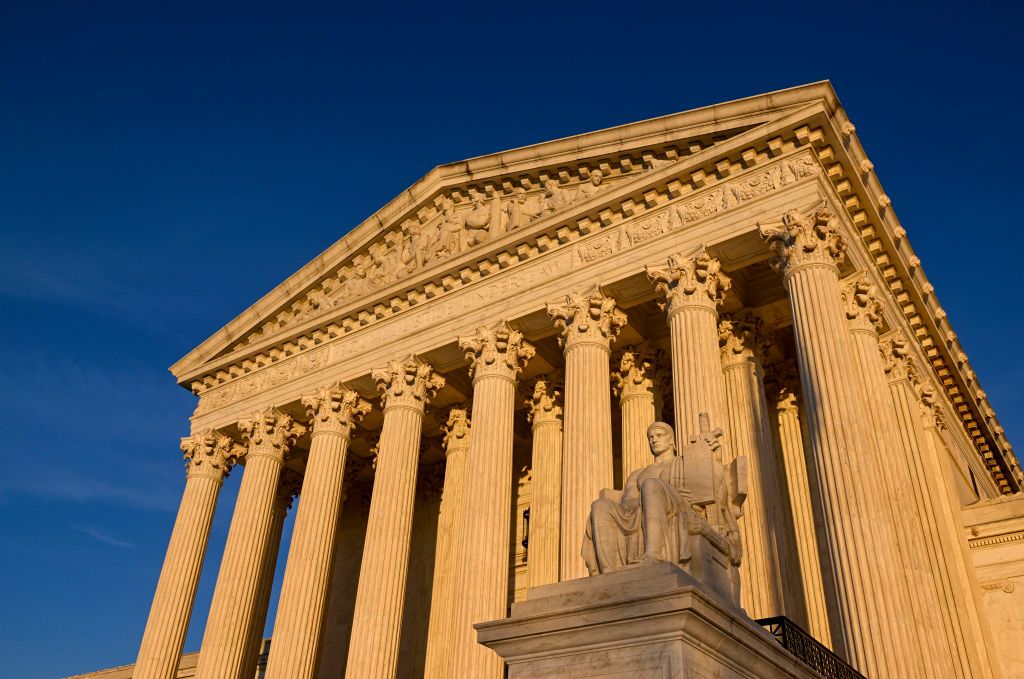
The Supreme Court examined whether environmental groups possess legal standing to challenge federal permits based on alleged aesthetic harm in a case involving preservation of the White House ballroom.
The case centers on whether plaintiffs can demonstrate concrete injury sufficient to invoke federal court jurisdiction when their complaint rests on visual or aesthetic degradation rather than physical or economic harm. Standing doctrine requires plaintiffs to prove an injury-in-fact that is particularized, concrete, and actual or imminent, not hypothetical.
Environmental and preservation organizations argued that proposed construction or modifications near the White House ballroom would diminish the aesthetic character of a historic space, causing injury to their members and organizational interests. The government disputed whether aesthetic harm alone satisfies Article III's constitutional requirement for justiciability.
Justice Elena Kagan and other members questioned how courts should evaluate subjective aesthetic preferences. If aesthetic injury constitutes valid standing, courts would hear countless challenges based on visual preferences. The justices probed whether the plaintiffs could demonstrate particularized injury beyond generalized grievances about preservation policy.
The government's counsel stressed that recognizing broad aesthetic standing would open federal dockets to subjective complaints about appearance and design choices made by executive agencies across the country. This threatens to transform permit challenges into aesthetic preference disputes rather than legal violations.
The outcome carries implications for environmental litigation, historic preservation claims, and the scope of federal court jurisdiction. Organizations challenging development projects frequently invoke aesthetic harm alongside environmental or regulatory violations. A broad standing ruling expands litigation opportunities; a narrow one limits judicial review of agency aesthetic decisions.
The Court's decision will determine whether aesthetic injury qualifies as concrete harm under standing doctrine or whether courts should require more tangible consequences. The ruling affects how federal agencies balance preservation concerns against development initiatives and who possesses legal authority to challenge those decisions in court.