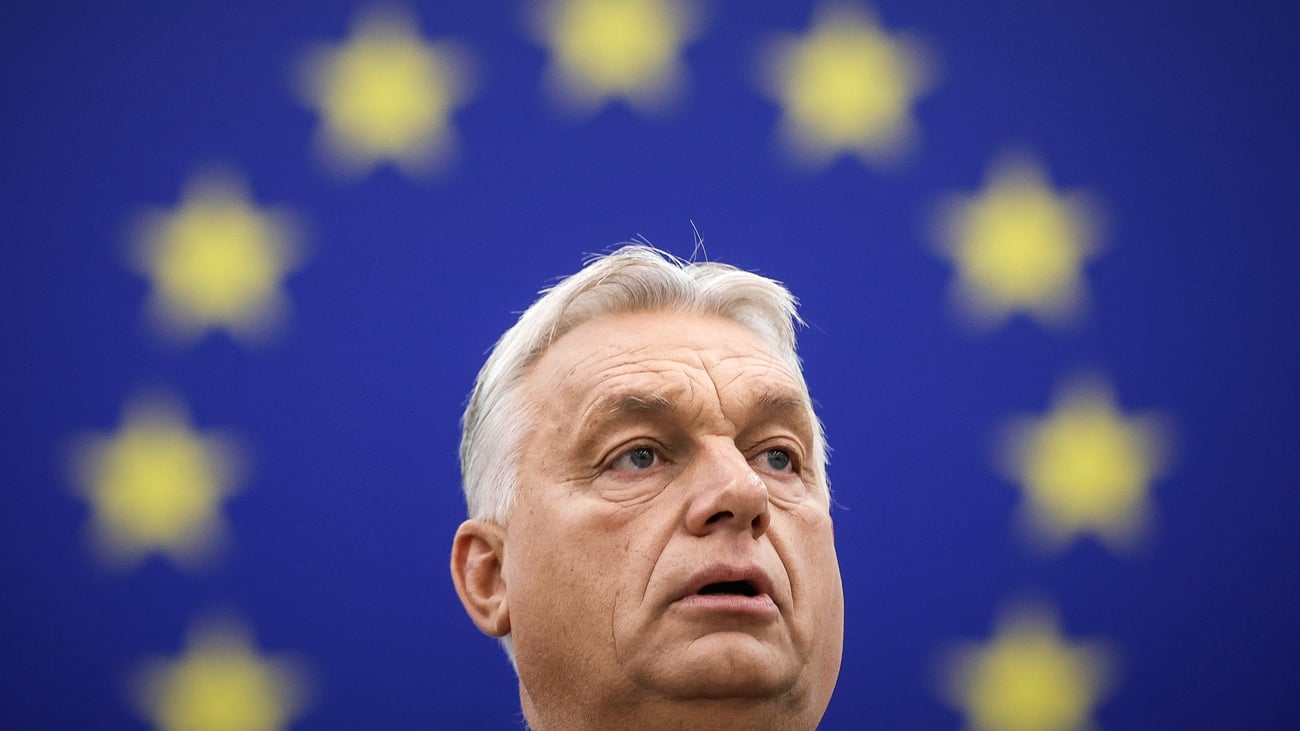
The Court of Justice of the European Union rejected Hungary's bid to overturn its exclusion from a European Union vote on channeling seized Russian asset profits toward Ukraine's military arsenal, though the court sidestepped the question of Hungary's broader voting rights within the bloc.
Hungary, led by Prime Minister Viktor Orban, challenged the EU's decision to proceed without its participation in the vote authorizing use of frozen Russian central bank assets to fund weapons deliveries to Ukraine. The Hungarian government argued that excluding it from the decision-making process violated its procedural rights as an EU member state.
The court found that Hungary lacked standing to challenge the voting procedure on technical grounds. The judges focused narrowly on whether Hungary had suffered direct harm from the exclusion rather than examining whether the EU acted within its authority to proceed without unanimous consent on the matter.
The decision reflects deep divisions within the EU over Ukraine policy. Hungary has consistently opposed harsh sanctions against Russia and resisted EU efforts to provide military aid to Kyiv, distinguishing itself as the sole member state blocking consensus on these measures. By voting or abstaining differently, Hungary has created procedural hurdles that other member states have sought to circumvent through alternative voting mechanisms.
The court's refusal to address Hungary's voting rights leaves unresolved a fundamental question about member state participation in EU decision-making processes. Other EU institutions continue exploring pathways to isolate Hungary's veto power on Ukraine-related measures without formally stripping its voting privileges, which would require unanimous member state approval that Hungary itself could block.
The judgment does not restore Hungary's participation in future votes on Russian asset disbursements but signals judicial reluctance to intervene in intra-EU political disputes over foreign policy. Hungary retains its formal veto over future unanimous decisions, meaning the dispute will likely resurface as the EU contemplates additional Ukraine support measures.