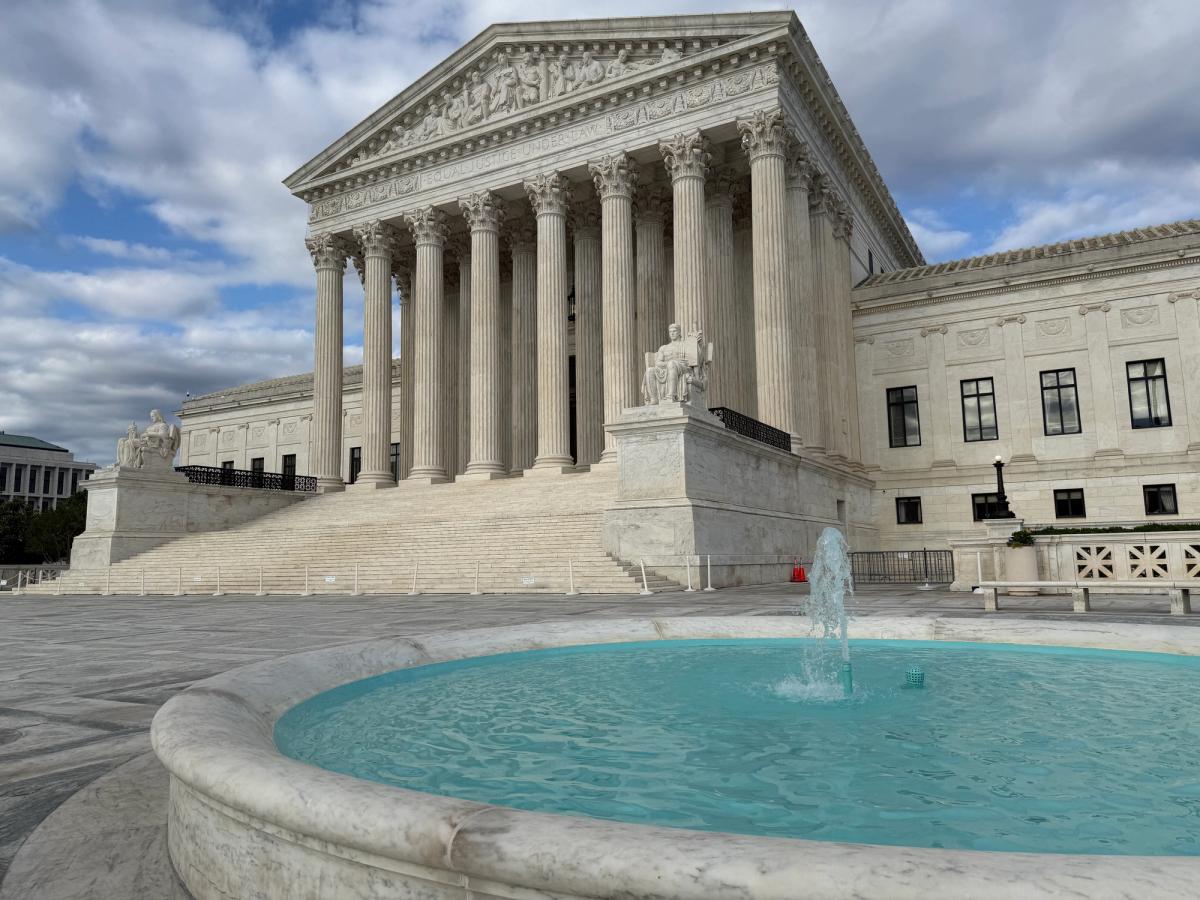
# Supreme Court Justices Should Hold Regular Press Conferences
The Supreme Court operates under a veil of secrecy that undermines public confidence in the institution. SCOTUSblog argues the nine justices should adopt regular press conferences to explain their reasoning and address public concerns directly.
Currently, justices rarely speak to the press outside formal opinions and occasional public appearances. This information vacuum leaves interpretation of major decisions to media outlets, legal commentators, and political activists. The public hears competing narratives about rulings rather than authoritative explanations from the bench itself.
Regular press conferences would serve multiple functions. Justices could clarify the narrow scope of particular holdings, distinguish their reasoning from partisan agendas, and explain how precedent shaped their votes. A justice joining the majority in a controversial decision could articulate the legal basis for the ruling without defensive posturing. Likewise, dissenters could voice concerns for the record.
The institutional benefits extend beyond transparency. Press conferences would humanize the justices and remind Americans that these are careful legal practitioners, not ideological warriors. Chief Justice John Roberts and others have noted declining public trust in the Court. Direct communication addresses this erosion.
The precedent exists elsewhere. Presidents hold press conferences. Federal judges participate in media interviews. State supreme court justices make public statements. The U.S. Supreme Court stands alone in its near-total silence.
Objections focus on maintaining judicial dignity and avoiding political appearances. Yet transparency strengthens rather than weakens courts. When judges explain decisions, courts appear more principled. Silence breeds suspicion.
Implementing regular press conferences requires no constitutional amendment or legislation. The Court sets its own procedures. Chief Justice Roberts could establish quarterly sessions where justices rotate answering questions about pending and decided cases.
The current model treats the public as passive observers of a distant institution. A modern court committed to democratic legitimacy engages its constitu