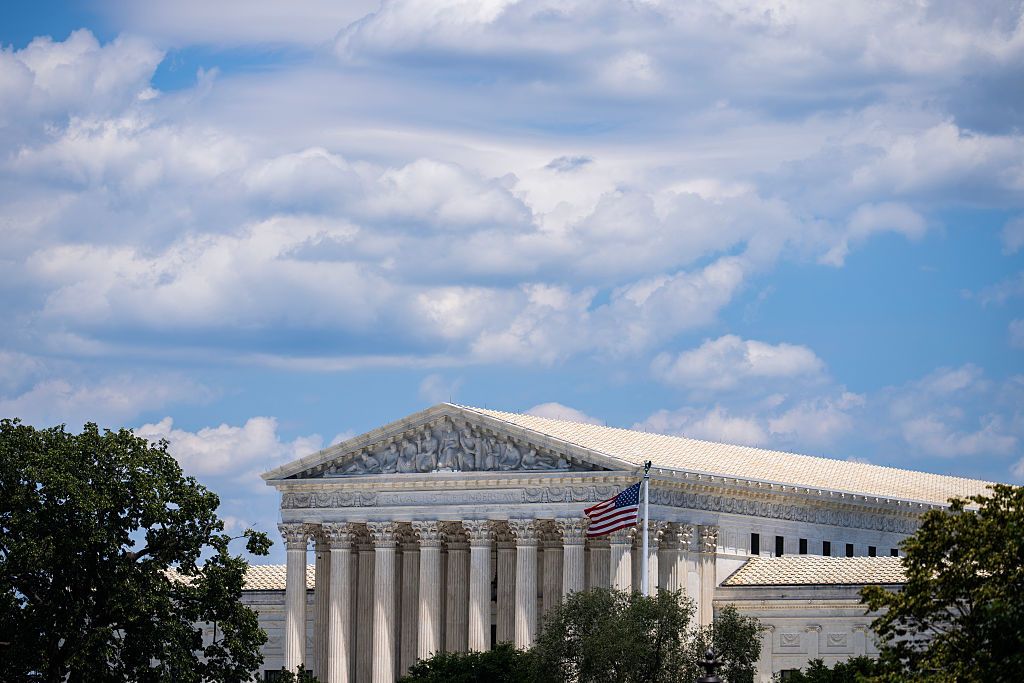
The U.S. Supreme Court announced its October 2024 docket, revealing two blockbuster cases that will reshape federal law on climate regulation and immigration enforcement.
The Court granted certiorari in a climate change case involving the Environmental Protection Agency's authority to regulate greenhouse gas emissions under the Clean Air Act. The petitioner challenges the EPA's reading of Section 111(d) of the statute, which governs emissions from power plants. The dispute hinges on whether the EPA possesses statutory authority to impose transformative emissions regulations that fundamentally restructure the electricity market, or whether such sweeping policy decisions require express congressional authorization under the major questions doctrine. This case carries immediate implications for federal climate policy and renewable energy investments nationwide.
The second notable petition concerns the constitutionality of prolonged immigration detention without bond hearings. The case examines whether immigrants detained by U.S. Immigration and Customs Enforcement have a Sixth Amendment right to a prompt judicial determination of whether detention is justified, or whether the government may hold noncitizens indefinitely pending removal proceedings. The outcome will establish precedent governing the detention rights of millions of undocumented immigrants and reshape ICE's enforcement practices.
Both cases reflect doctrinal tensions the Roberts Court has amplified in recent years. The climate case tests whether courts will constrain agency power through the major questions doctrine, which the Court invoked in Biden v. Nebraska (2023) and West Virginia v. EPA (2022). The immigration detention case addresses the scope of constitutional protections for noncitizens, an area where the Court has limited habeas corpus remedies in cases like Jennings v. Rodriguez (2018).
The October docket also includes disputes on voting rights, criminal sentencing, and administrative procedure. Together, these cases signal the Court's continued interest in redefining the boundaries between executive authority, congressional power, and individual rights. The