The Trump-affiliated legal defense fund faces organizational shifts following leadership changes within the incoming administration. Alina Habba, Trump's personal attorney, previously managed a legal defense fund that raised millions from donors to support Trump's various legal proceedings, including federal indictments and state cases.
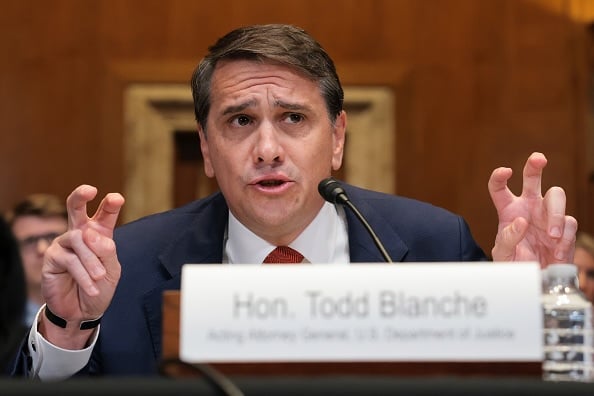
The reference to Blanche's confirmation Tuesday indicates that Todd Blanche, Trump's former defense counsel, will assume a Justice Department position in the incoming administration. Blanche previously represented Trump in the federal classified documents case brought by Special Counsel Jack Smith in Florida federal court.
Legal defense funds structured to support a political figure's personal litigation raise compliance questions under Federal Election Commission regulations and Internal Revenue Code provisions governing tax-exempt organizations. These funds must navigate restrictions on coordination between candidate defense efforts and political campaigns, as well as disclosure requirements for substantial donors.
The fund's operational history drew scrutiny from government watchdog groups concerned about potential conflicts of interest when attorneys managing personal defense funds simultaneously hold government positions. Trump's previous defense funds collected contributions from supporters, corporations, and business entities, raising questions about quid pro quo arrangements or preferential access.
The cyclical nature referenced in the headline suggests that despite organizational transitions or temporary suspensions, mechanisms for funding Trump's legal defenses will continue through restructured vehicles. This pattern reflects broader questions about how wealthy individuals can sustain expansive legal defense strategies across multiple jurisdictions and charges.
The practical implications extend to transparency. When leadership changes occur in these structures, donor disclosures may shift or diminish, limiting public visibility into who finances ongoing litigation. The incoming administration's personnel changes create potential appearance issues regarding conflicts of interest when government officials previously managed or benefited from these defense mechanisms.