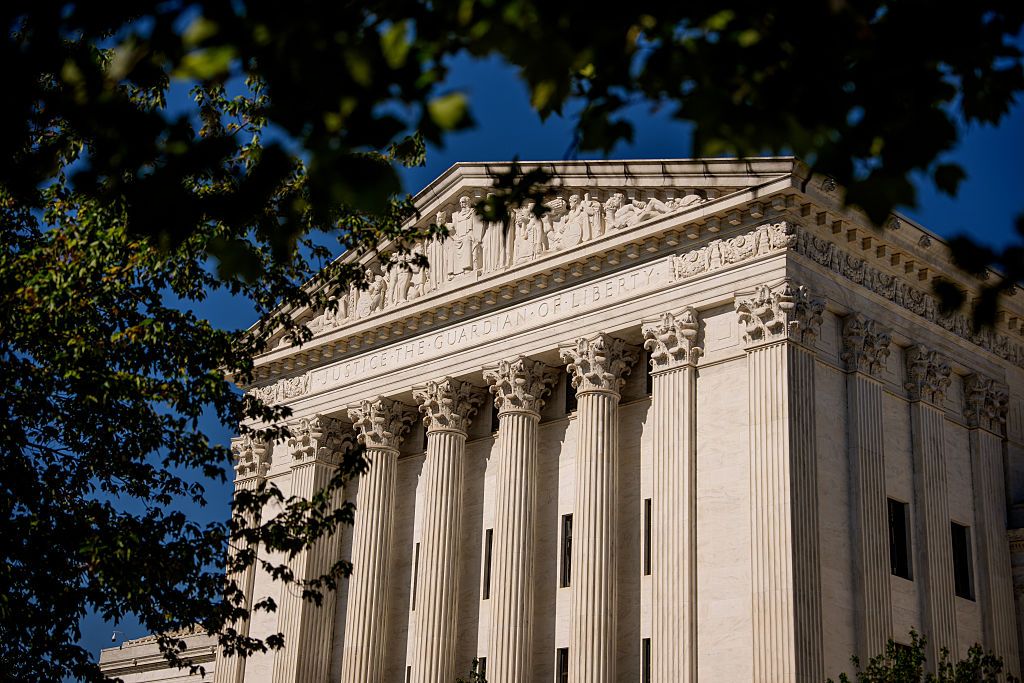
Several states challenging President Biden's executive order on mail-in voting have petitioned the Supreme Court to maintain current restrictions on the order's implementation while litigation proceeds. The states argue that the executive order exceeds presidential authority under the Elections Clause and violates the Administrative Procedure Act.
The petitioners contend that voting procedures fall exclusively within state legislative control under Article II, Section 1 of the Constitution. They seek a stay preventing the order's enforcement pending resolution of the underlying constitutional question. The states claim the order creates federal mandates regarding ballot access and voting methods without statutory authorization.
The executive order, issued to expand mail-in and early voting options, directs federal agencies to promote voter registration and facilitate mail voting access. States opposing it argue this intrudes on their traditional election administration powers. They maintain that states, not the federal government, possess the authority to set voting qualifications and procedures.
The legal dispute turns on competing interpretations of the Elections Clause. The states read it as granting exclusive power to state legislatures. The administration counters that the President possesses inherent authority to promote voting access through executive action and that federal law authorizes aspects of the order.
Lower courts had issued preliminary rulings on the order's validity before the states escalated to the Supreme Court. The justices must decide whether to grant the stay, which would pause implementation while the case proceeds through normal appellate channels, or allow the order to remain in effect.
This dispute reflects the ongoing constitutional tension over federal versus state authority in elections. The Supreme Court's resolution will affect not only this specific order but establish precedent for presidential power to unilaterally modify voting procedures nationwide. A ruling for the states would constrain executive authority; a ruling for the administration would expand it.