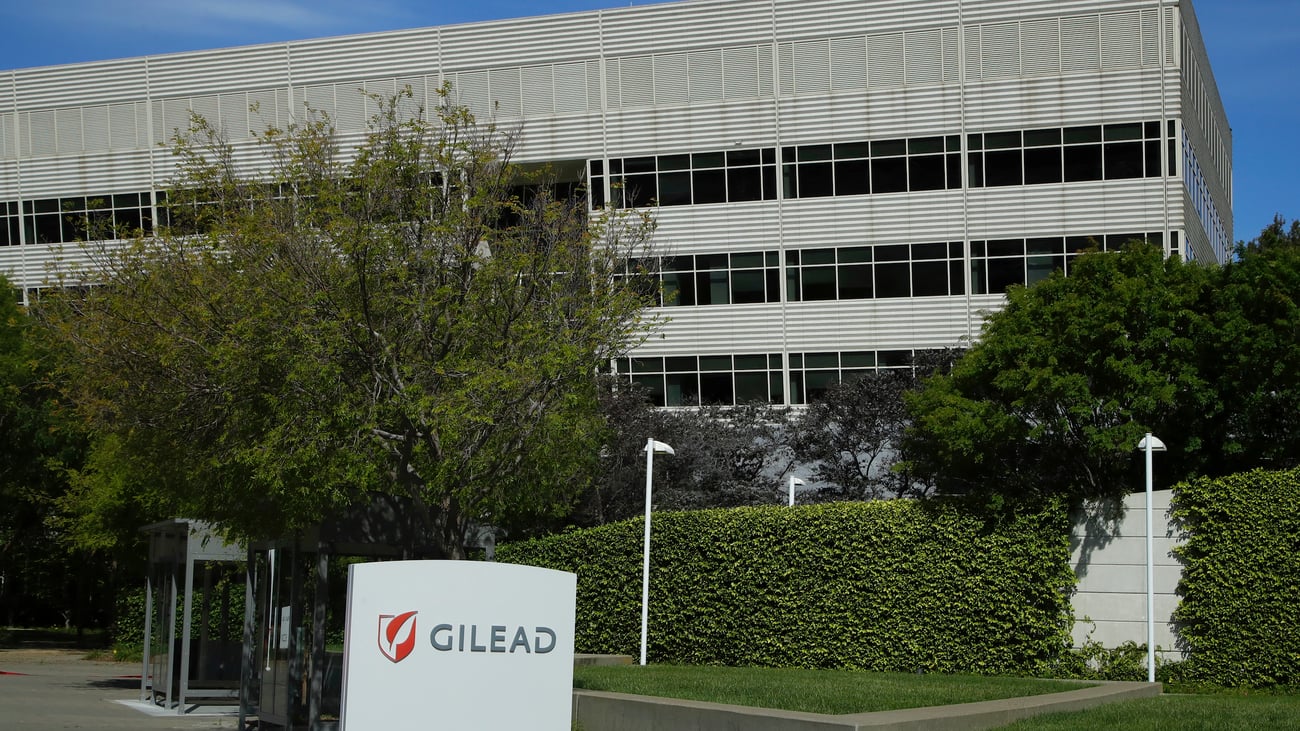
The California Supreme Court ruled that Gilead Sciences bears no liability for injuries allegedly caused by its HIV medication, reversing a lower court's decision that had opened the door to such claims. The court determined that Gilead cannot face liability for harms arising from a non-defective drug, even when users claim injury.
This decision addresses a fundamental question in product liability law: whether pharmaceutical manufacturers can be held responsible for injuries from drugs that function as designed and contain no manufacturing defects. The appellate court had previously concluded Gilead could face liability, but California's highest court disagreed with that reasoning.
Gilead manufactures antiretroviral medications used to treat HIV and prevent transmission. Plaintiffs in the case alleged the drug caused them harm, but the core legal issue transcended any individual medication. The ruling establishes that California product liability law does not extend to non-defective pharmaceuticals merely because users experienced adverse effects.
The decision rests on established product liability doctrine. Courts generally recognize three theories for liability: manufacturing defects, design defects, and failure to warn. A manufacturing defect occurs when a product deviates from its intended design. A design defect exists when the design itself creates unreasonable dangers. Failure to warn claims involve inadequate safety instructions or disclosures.
The California Supreme Court's ruling indicates that if a drug contains no manufacturing or design defect and carries adequate warnings, manufacturers escape liability even for serious adverse effects some patients experience. This protects pharmaceutical companies from being held responsible for known side effects that occur in some users despite the drug's safety profile overall.
The decision carries substantial implications for pharmaceutical litigation nationwide. California courts influence legal reasoning across jurisdictions. Other states facing similar questions about non-defective drug liability may look to this ruling for guidance. The decision effectively narrows the grounds on which plaintiffs can sue drug manufacturers in California, requiring them to prove actual defects or