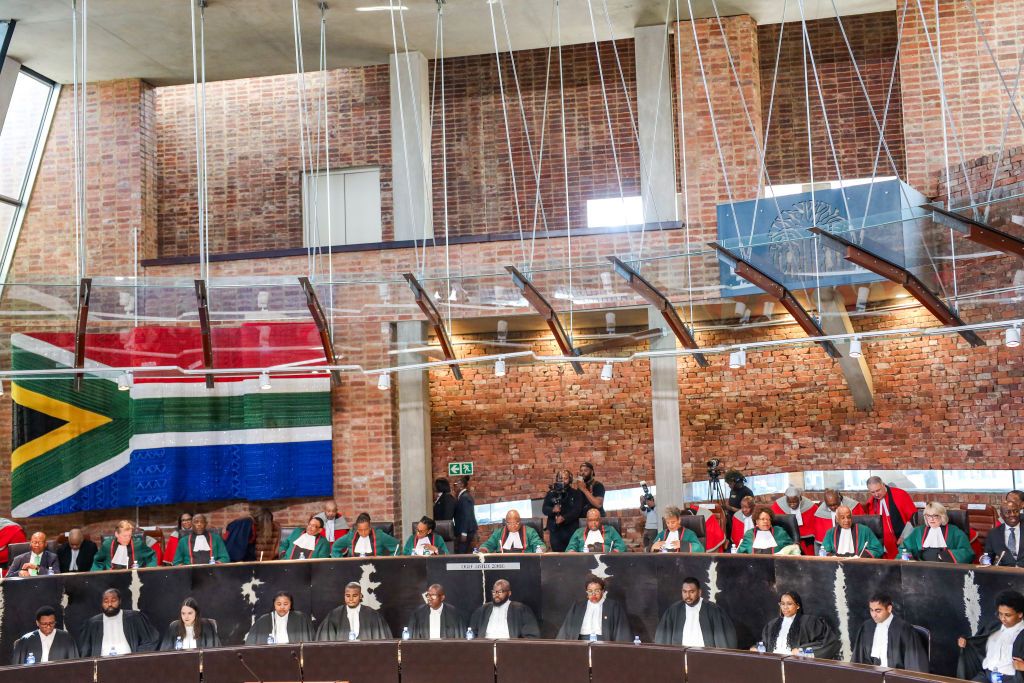
# Constitutional Court of South Africa Addresses Judicial Authority and Governance
The Constitutional Court of South Africa operates as the nation's apex tribunal for constitutional matters, wielding authority that extends across the full spectrum of governance, rights adjudication, and institutional accountability. Established under the 1996 Constitution, the court sits as the final arbiter on questions touching the foundational law and the protection of fundamental rights enshrined in the Bill of Rights.
The court's jurisdiction encompasses direct constitutional review, interpretation of statutes in light of constitutional principles, and resolution of disputes between government branches. Unlike courts in other jurisdictions, South Africa's Constitutional Court holds exclusive authority over constitutional matters and exercises robust powers of structural review over both legislative and executive action.
The court has issued landmark rulings affecting separation of powers, administrative law, and social and economic rights. These decisions have reshaped South African governance and established enforceable obligations on state institutions. The court's jurisprudence addresses access to housing, healthcare, education, and social assistance as affirmative constitutional duties rather than mere aspirations.
The bench comprises eleven justices, including a Chief Justice who serves as the court's leader and spokesperson. Appointments follow a consultative process involving the President, judicial bodies, and Parliament, ensuring diverse representation within constitutional constraints.
The Constitutional Court's role extends beyond reactive adjudication. The court intervenes in matters of public concern touching constitutional rights and has entertained applications from civil society organizations, unrepresented litigants, and government entities seeking clarity on constitutional limits. This approach reflects the constitution's aspirational character and commitment to substantive equality.
The court faces recurring tensions between enforcing constitutional norms and respecting institutional autonomy. Questions surrounding the implementation of court orders, resource allocation for rights enforcement, and deference to Parliament's legislative choices remain contested. The court's legitimacy rests on maintaining public confidence while advancing constitutional accountability.