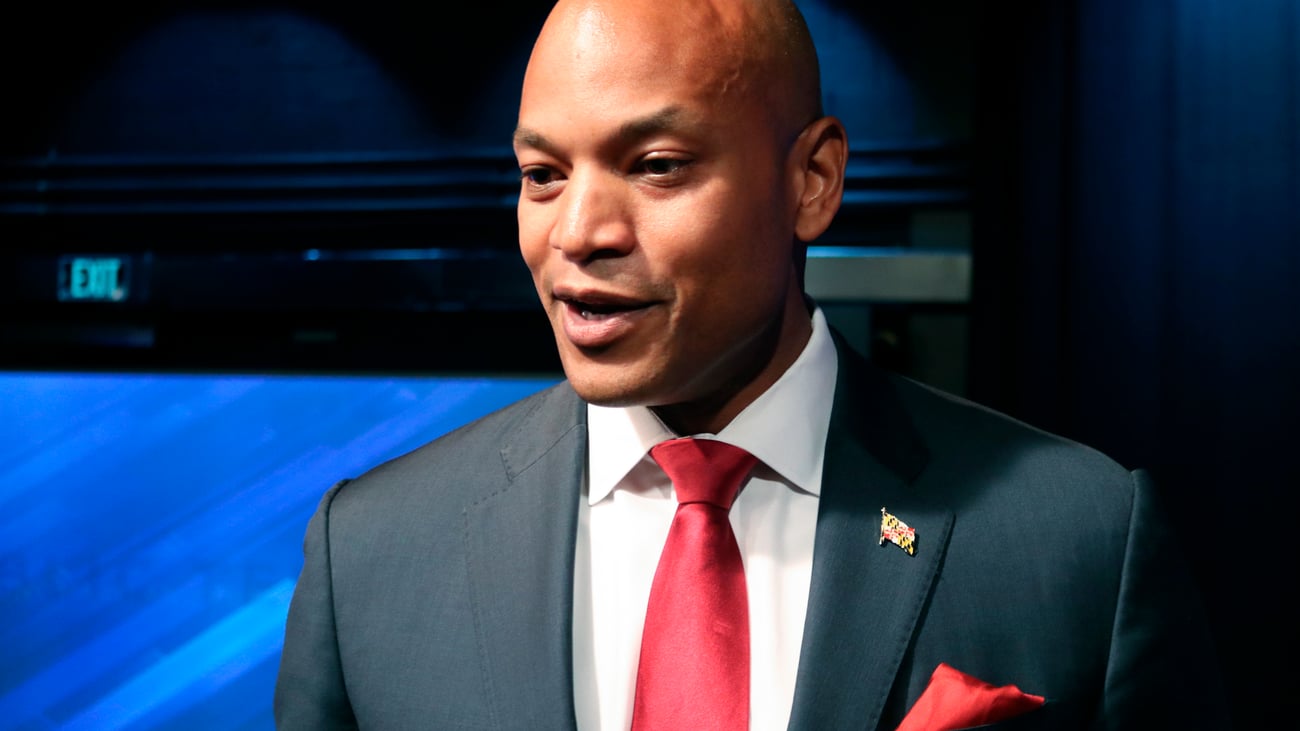
David D. Smith, owner of the Baltimore Sun, filed a defamation lawsuit against Maryland Governor Wes Moore in federal court. Smith claims Moore made false statements suggesting the newspaper operates as a conduit for Donald Trump's political agenda.
The dispute stems from Moore's public remarks characterizing the Sun's editorial direction as advancing Trump's interests rather than serving independent journalism. Smith contends these statements damaged his reputation and the newspaper's credibility in the Baltimore market.
The lawsuit invokes defamation law, requiring Smith to prove Moore's statements were false, made with knowledge of their falsity or reckless disregard for truth, and caused measurable harm. Courts distinguish between statements of fact, which can support defamation claims, and opinions, which generally receive First Amendment protection. Smith's burden centers on demonstrating Moore crossed that line by asserting factual falsehoods rather than expressing political disagreement.
This case implicates competing free speech interests. Government officials retain broad latitude to criticize media outlets and challenge journalistic decisions. Simultaneously, defamation law protects individuals and entities from false statements that harm reputation and economic interests. The outcome depends heavily on how courts categorize Moore's remarks and whether Smith can establish damages.
The dispute reflects broader tensions between political leadership and media scrutiny. Moore's comments suggest frustration with the Sun's coverage during a period when major newspapers nationwide faced accusations of partisan bias. Smith's lawsuit counters that criticism crossed into actionable falsehood.
Federal courts apply strict scrutiny to defamation cases involving public figures and matters of public concern. Both the governor and a major metropolitan newspaper qualify as public figures. This standard requires clear and convincing evidence that Moore acted with actual malice toward Smith's reputational interests. The threshold favors free speech protection but does not eliminate liability for demonstrably false statements.
The litigation carries implications for media-government relations in Maryland. Victory