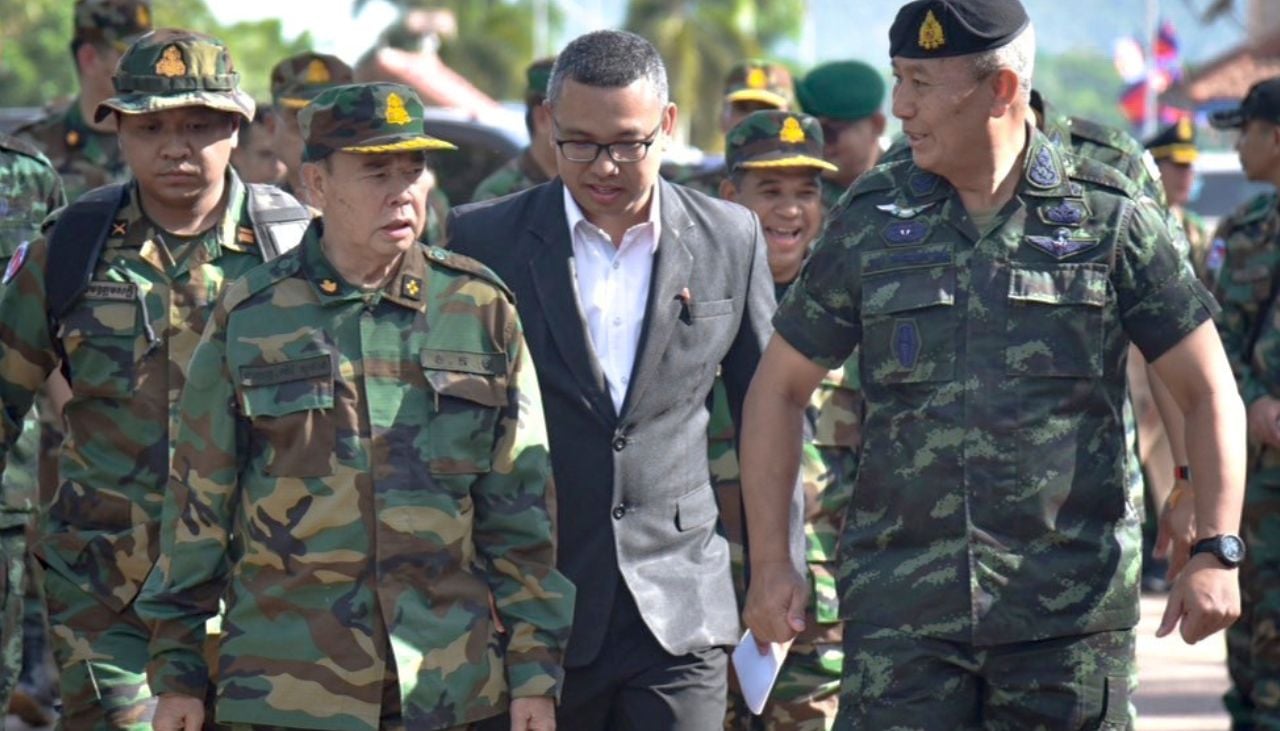
A United Nations expert reports that more than 20,000 Cambodian citizens remain displaced following armed clashes with Thai military forces along their shared border. The UN findings document ongoing occupation of Cambodian towns and villages by Thai soldiers, with physical barriers including barbed wire preventing residents from returning to their homes.
The displacement stems from border skirmishes that have created a humanitarian crisis affecting thousands of civilians. Thai military presence in occupied Cambodian territory represents a violation of Cambodia's territorial sovereignty and raises questions about compliance with international humanitarian law. The UN expert's report emphasizes that the barriers to return constitute unlawful obstruction of the civilian population's right to move freely within their own country.
Border disputes between Thailand and Cambodia have produced periodic violence, but this scale of displacement indicates an escalation requiring immediate diplomatic intervention. The occupied territories create a de facto barrier preventing internally displaced persons from accessing their property, livelihoods, and homes. Humanitarian access to displaced populations remains severely restricted.
The situation implicates obligations under the Geneva Conventions, which protect civilians during armed conflict and require occupying forces to permit civilian return once hostilities cease. Cambodia has grounds to seek relief through the United Nations Security Council or the International Court of Justice for territorial violations. Thailand faces potential liability under international humanitarian law for obstructing civilian return and maintaining military occupation beyond necessary military objectives.
Both governments must negotiate a withdrawal timeline and establish mechanisms for safe return. The UN expert's documentation provides evidence for potential accountability proceedings and supports humanitarian organizations seeking to reach affected populations. Unresolved displacement at this scale attracts international scrutiny and complicates bilateral relations that already bear historical tension over land boundaries demarcated during French colonial administration of Indochina.