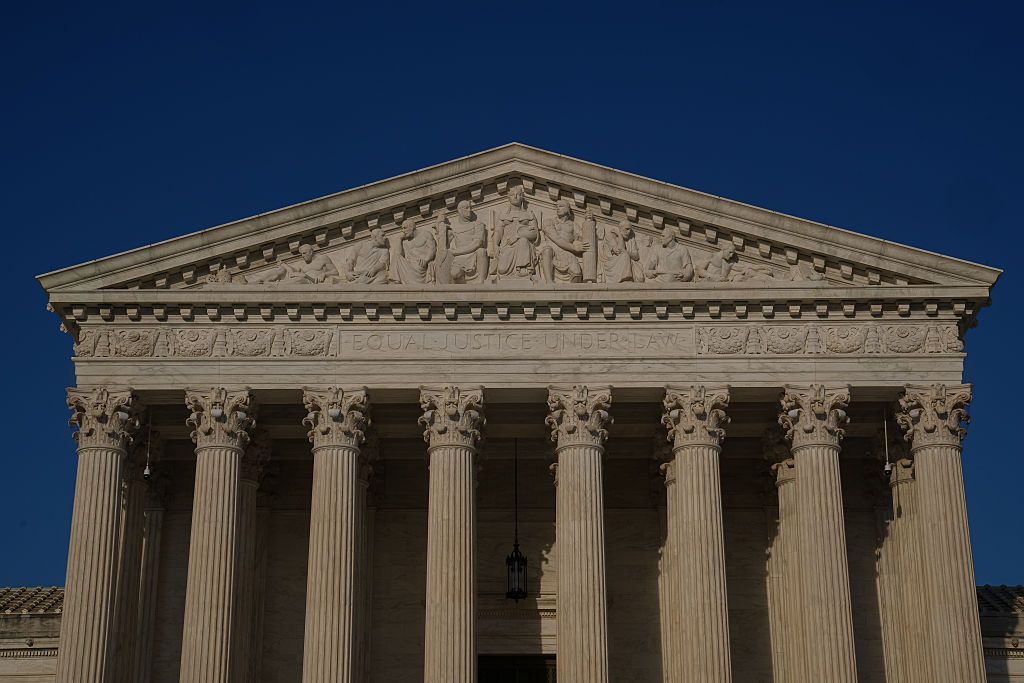
# Supreme Court Reform Efforts Gain Traction Among Democrats
Lawmakers and advocacy groups have intensified calls to curtail the Supreme Court's authority following several high-profile rulings that shifted constitutional doctrine on abortion, gun rights, and voting protections. The Democratic-led initiatives target the Court's decision-making power through multiple mechanisms.
Proposed reforms include expanding the number of justices beyond the current nine-member bench, implementing term limits for justices, and stripping the Court of jurisdiction over specific categories of cases. Some proposals would establish an 18-year rotating appointment schedule, eliminating the practice of lifetime tenure that has defined the judiciary since the founding era.
The push reflects frustration with decisions including Dobbs v. Jackson Women's Health Organization, which eliminated the federal constitutional right to abortion and returned regulation to individual states. Advocates argue the current Court composition has drifted rightward and no longer represents mainstream constitutional interpretation.
Republican opposition remains firm. GOP lawmakers argue that Court-packing and jurisdictional limitations would undermine judicial independence and the separation of powers doctrine. Critics contend these reforms represent partisan retaliation rather than principled constitutional reform.
The House Judiciary Committee examined these proposals during recent sessions, though Republican-controlled chambers have blocked floor votes. Legal scholars disagree on whether reforms would require constitutional amendments or Congressional action alone. The Constitution specifies the number of justices without entrenching it against amendment.
Congressional gridlock has stalled legislative action, but advocacy organizations including progressive groups and legal scholars continue advancing reform frameworks. Some momentum exists within the Biden administration, though explicit endorsement remains limited at the executive level.
The debate reflects deeper constitutional tensions about judicial power, democratic accountability, and the proper role of courts in a representative system. Reform movements succeed only if they generate sufficient political support to overcome entrenched resistance and institutional inertia.