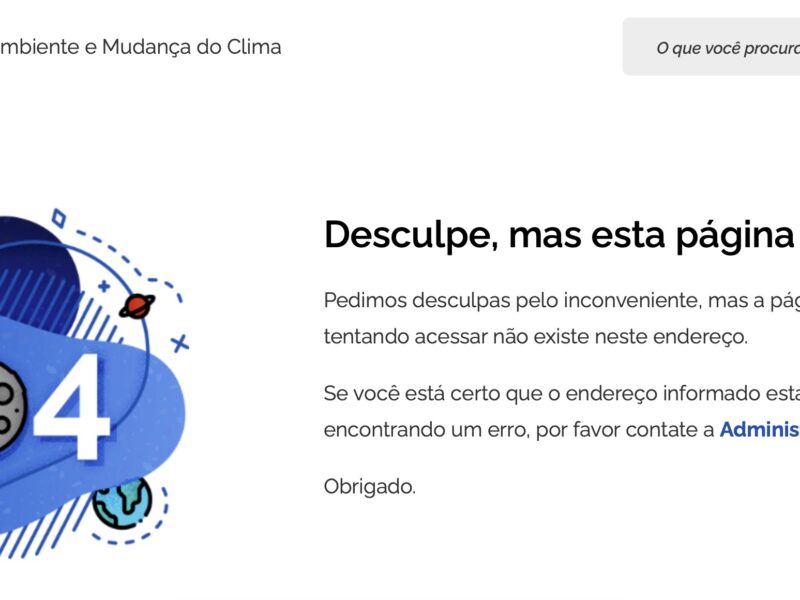
Brazil's government agencies have removed scientific records, policy documents, and other public information from public access under election rules designed to prevent incumbent politicians from using official communications for campaign purposes.
The blackout affects data repositories across federal agencies during the country's election period. Officials cite campaign neutrality laws that restrict how sitting government bodies can disseminate information near voting dates. The restrictions aim to prevent incumbents from leveraging official platforms and resources to gain electoral advantage over challengers.
The removal of these materials creates a transparency problem for researchers, journalists, and citizens seeking access to government data. Scientific records held by agencies become unavailable for public review. Policy documents that typically inform public debate disappear from accessible databases. The breadth of the blackout extends beyond narrow campaign messaging to encompass routine government records unrelated to electoral matters.
Brazil's election code contains provisions prohibiting government bodies from conducting communications campaigns within designated periods before elections. Agencies have interpreted these restrictions broadly, taking offline content that falls within the blackout window rather than risk violating campaign neutrality rules.
The action raises questions about the balance between preventing electoral misconduct and maintaining government transparency. While campaign neutrality rules serve a legitimate purpose in democratic elections, their implementation here removes information that citizens have legal rights to access outside electoral contexts. Researchers operating on grant deadlines face disrupted workflows. Journalists cannot verify government statements with supporting documentation.
Government agencies appear to have chosen over-compliance as a risk management strategy. Rather than narrowly apply blackout rules to actual campaign communications, they have suspended broad categories of public data distribution.
The situation reflects tension between Brazil's electoral regulations and its transparency obligations. Courts may need to address whether election rules can justify wholesale removal of scientific and policy records during campaign periods, or whether agencies must implement more targeted approaches that protect public access to essential government information while still complying with campaign neutrality principles.