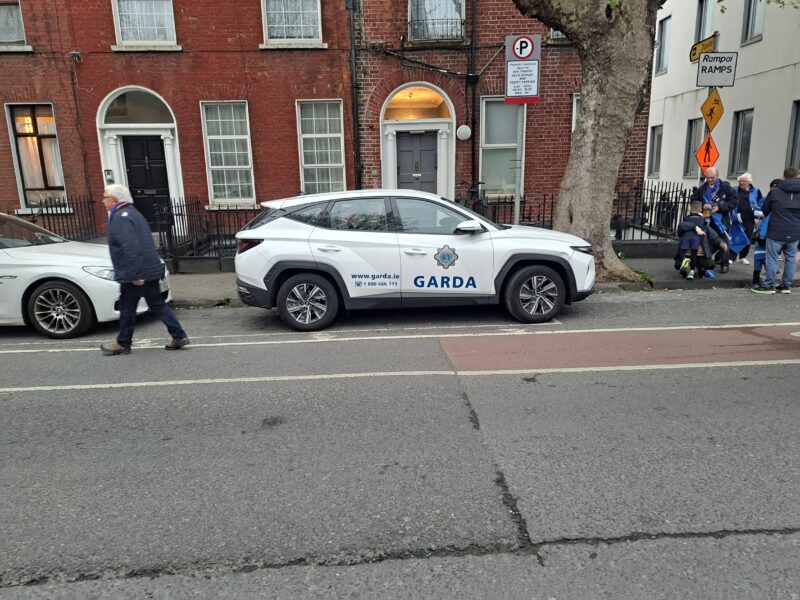
Police in Northern Ireland intercepted an explosive device en route to the region and arrested two individuals in connection with the plot. Officials characterized the bomb as capable of causing substantial damage and emphasized the ongoing security threat posed by violent dissident republican groups nearly 30 years after the Good Friday Agreement established peace in 1998.
The interception represents a concrete law enforcement success against organizations that reject the 1998 peace accord and continue paramilitary operations outside the political settlement. The Good Friday Agreement created a comprehensive constitutional framework ending decades of conflict, yet breakaway factions have persisted in using violence to oppose the agreement's terms and the resulting power-sharing government.
The arrest of two suspects signals active investigative work by police to identify and neutralize bomb-making networks. Dissident republican groups have periodically attempted attacks on security forces, infrastructure, and civilians, prompting sustained counterterrorism operations. The PSNI (Police Service of Northern Ireland) and British security agencies maintain specialized units dedicated to tracking these organizations.
The incident underscores persistent tensions within Irish republican politics. While mainstream republican movements accepted the Good Friday Agreement and transitioned into electoral politics, smaller radical factions rejected the settlement as insufficiently nationalist. These groups have conducted sporadic bombings and shootings, though operational capacity and public support remain limited compared to the pre-1998 era.
For law enforcement, the seizure demonstrates effective intelligence gathering and coordinated response procedures. For policymakers, it reinforces the reality that peace agreements do not automatically eliminate all violent actors. Northern Ireland's security apparatus continues managing this residual threat through surveillance, investigation, and prosecution under relevant terrorism statutes.
The two arrests will likely result in charges under the Terrorism Act 2000 or similar legislation if prosecution proceeds. Such cases typically involve detailed forensic evidence and witness testimony regarding bomb construction and transport. The interception itself validates continued investment in counterterrorism resources and