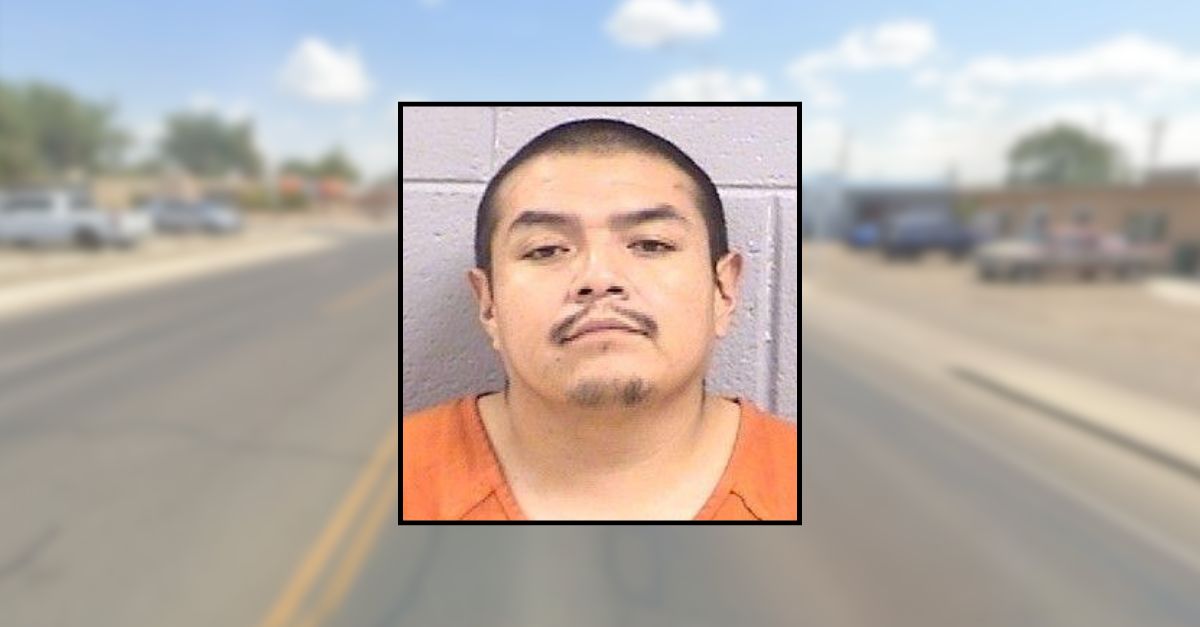
A New Mexico man faces murder charges after police say he beat and strangled his girlfriend to death, then fabricated an alibi claiming he was at Walmart buying dog food when she died.
According to law enforcement, the defendant made a video recording in which he told the victim, "You are going to die tonight." Police allege he then carried out that threat by physically assaulting and strangling the woman.
When questioned by investigators, the defendant provided a false account of his whereabouts during the time of death. He told police he had left the residence to purchase dog food at Walmart. Law enforcement determined this alibi was fabricated and inconsistent with evidence gathered at the scene and through witness interviews.
The case centers on premeditation and deliberation, key elements prosecutors must establish to secure a murder conviction. The video recording in which the defendant made the explicit death threat strengthens the state's position that he acted with intent. The false alibi compounds the prosecution's theory by suggesting consciousness of guilt, demonstrating the defendant understood his actual location and actions incriminated him.
Domestic violence homicides remain among the most prevalent murder cases in the criminal justice system. When a defendant makes advance threats against a partner and then the threatened victim dies under suspicious circumstances, courts typically view such evidence as highly probative of motive and intent. The gap between the defendant's stated alibi and the facts establishes a pattern of deception.
Evidence collection in domestic homicide cases often includes forensic analysis, video recordings, cell phone location data, and witness testimony. The presence of a recorded threat substantially elevates prosecutorial prospects for conviction on the highest charges available.
The case illustrates how advance statements combined with false explanations to law enforcement create multiple layers of incriminating evidence. Defendants who concoct alibis after commission of violent crimes frequently face additional charges related to obstruction of justice or tampering with evidence, depending on