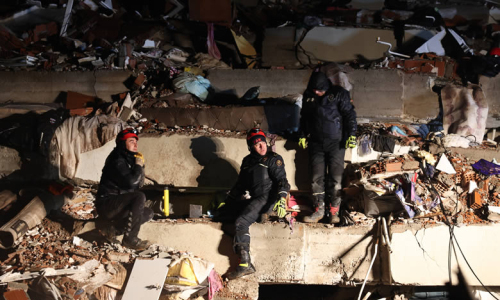
A twin earthquake disaster in Venezuela has killed 1,430 people as of Saturday, with millions more displaced and lacking access to sanitation and basic necessities. Initial US aid flights have begun arriving in Caracas, though the humanitarian response remains limited.
Venezuelan interim leader Delcy Rodriguez, backed by the United States, stated the country was "not alone" in responding to the crisis. Her statement came amid public anger directed at local officials over the adequacy and speed of government disaster relief efforts.
The earthquakes struck Venezuela's population centers, creating a cascading humanitarian emergency. Displaced residents face acute shortages of clean water, food, shelter, and medical care. The scale of displacement affects millions of people across multiple regions.
International humanitarian assistance has commenced but faces logistical challenges. US aid flights represent the first coordinated foreign relief entering Venezuelan territory, though the volume of aid remains insufficient for the scale of need.
The disaster exposes significant gaps in Venezuela's domestic emergency response infrastructure. Local authorities have drawn criticism for slow mobilization and inadequate resource allocation. Rodriguez's public reassurance about international support appears designed to counter negative perceptions of government capacity.
The humanitarian situation continues to deteriorate. Epidemiological risks increase as displaced populations lack sanitation facilities and access to clean water. Disease outbreaks could compound mortality figures if humanitarian access does not expand rapidly.
Rodriguez's interim leadership position, supported by Washington, faces a credibility test in managing the disaster response. International observers monitor whether the US-backed administration can coordinate effective relief distribution or whether political divisions hinder unified crisis management.
The death toll may still rise. Many affected regions remain inaccessible to aid workers, and casualty figures from remote areas remain incomplete. Recovery efforts will require sustained international coordination and substantial financial resources.