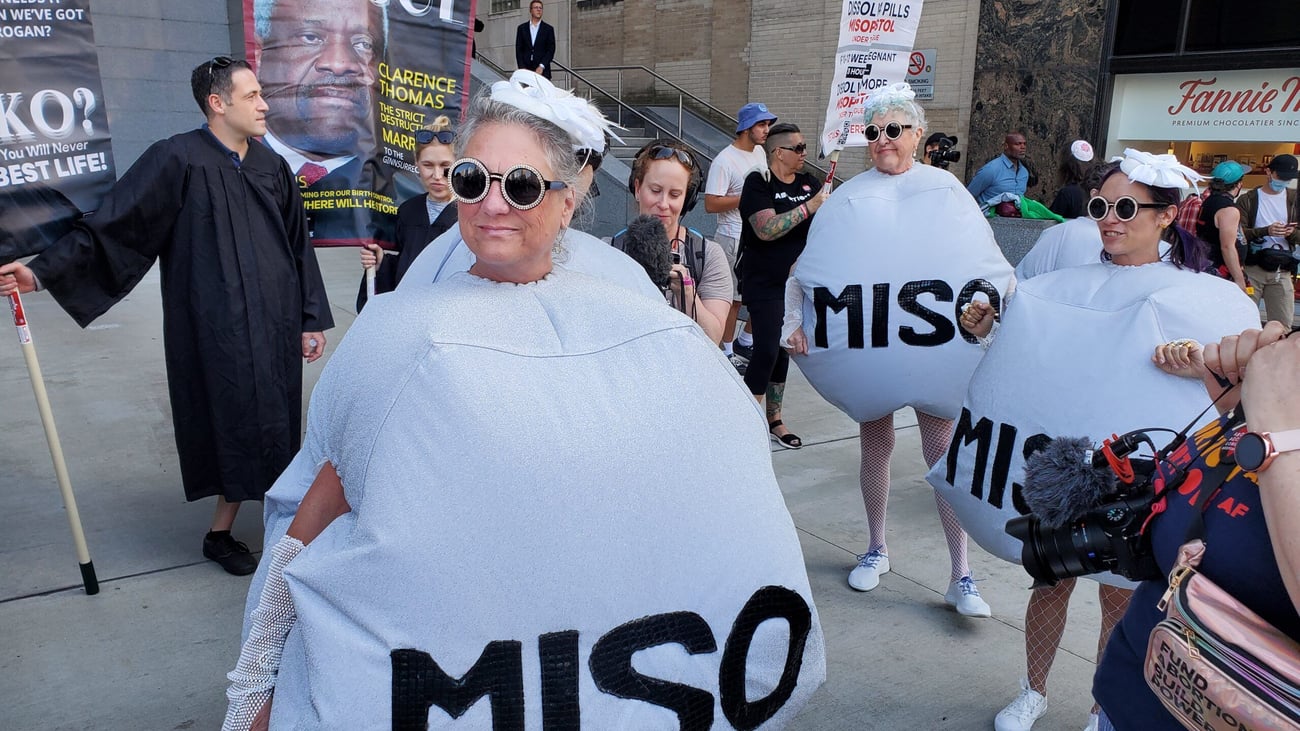
A South Dakota federal judge has blocked enforcement of a state law that criminalized abortion information provision. U.S. District Judge Christine Arguello issued a preliminary injunction against the statute after Mayday Health, a nonprofit that provides abortion guidance and medication to patients nationwide, sued the state in May.
The law, which took effect in 2024, made it a felony for anyone to help South Dakota residents obtain abortions outside the state. It imposed criminal penalties on providers offering information, referrals, or financial assistance related to out-of-state abortion access.
Judge Arguello found Mayday Health demonstrated a substantial likelihood of success on its constitutional claims. The organization argued the statute violated the First Amendment by criminalizing protected speech about abortion services. The law also implicated substantive due process rights, Arguello noted, affecting individuals' ability to travel and obtain lawful medical care outside South Dakota.
The injunction prevents South Dakota from enforcing the statute against Mayday Health's operations. The ruling protects the organization's ability to communicate with South Dakota residents about abortion options available in other states where the procedure remains legal.
South Dakota has pursued some of the nation's most restrictive abortion policies since the U.S. Supreme Court overturned Roe v. Wade in Dobbs v. Jackson Women's Health Organization in 2022. The state implemented a near-total abortion ban with narrow exceptions for medical emergencies.
Mayday Health operates a digital platform connecting patients with abortion providers and offering medication abortion through telehealth consultations. The organization challenged the South Dakota law as an unconstitutional attempt to regulate conduct occurring entirely outside state borders.
The preliminary injunction represents a partial victory for abortion access advocates in a conservative state. The ruling reflects growing federal court skepticism toward laws attempting to criminalize assistance with out-of-state abortion access. Similar statutes in other states face legal