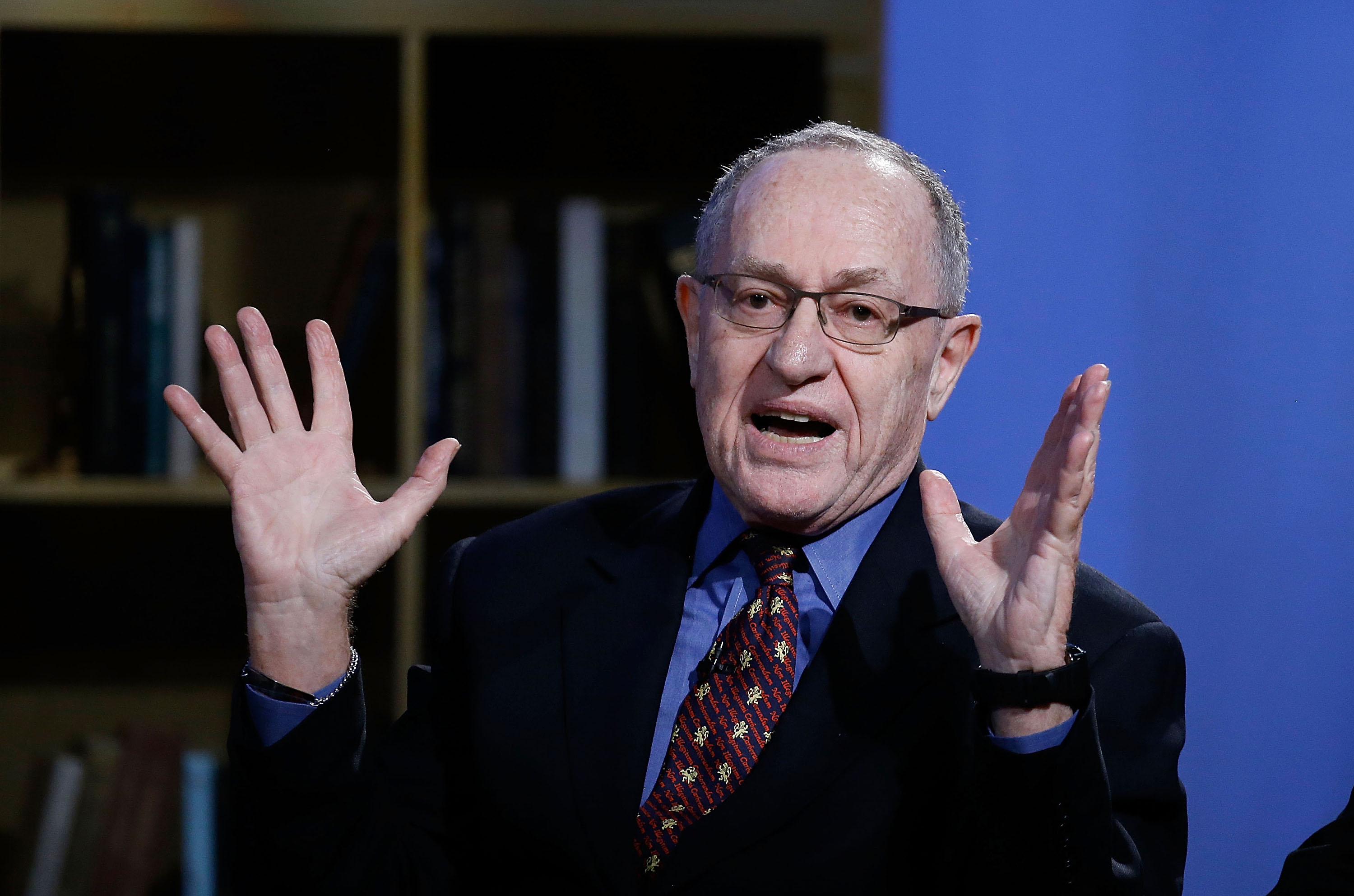
Alan Dershowitz has declined to appear for testimony in an Epstein-related proceeding after previously seeking the opportunity to give evidence, according to reporting from Above the Law.
The Harvard Law School professor emeritus, who represented financier Jeffrey Epstein in legal proceedings, had advocated for his inclusion as a witness. His reversal positions him as refusing compelled testimony in a matter where he once petitioned for participation.
The precise nature of the proceeding and the reason Dershowitz gave for his non-appearance remain unclear from the available reporting. His decision carries litigation implications for any party seeking his testimony and for Dershowitz himself should he face consequences for non-compliance.
Dershowitz has maintained his distance from Epstein's criminal prosecution and civil litigation following the financier's 2019 arrest and 2024 death in custody. As Epstein's counsel, Dershowitz negotiated the controversial 2008 plea agreement with federal prosecutors that allowed Epstein to plead guilty to state charges rather than face federal sex trafficking charges.
The apparent shift from seeking testimony to refusing appearance raises questions about trial strategy and witness cooperation. Courts generally possess authority to compel testimony through subpoena, with failure to comply constituting contempt. Whether any enforcement mechanism applies in this instance depends on whether Dershowitz received a valid subpoena and whether he asserted a recognized legal basis for non-compliance.
The episode illustrates the fluid nature of litigation participation and the leverage parties hold in high-profile cases. Dershowitz's willingness to testify at one moment and unwillingness at another may reflect evolving legal advice, changed circumstances in the case, or tactical recalibration.
No statement from Dershowitz explaining his position has been reported.