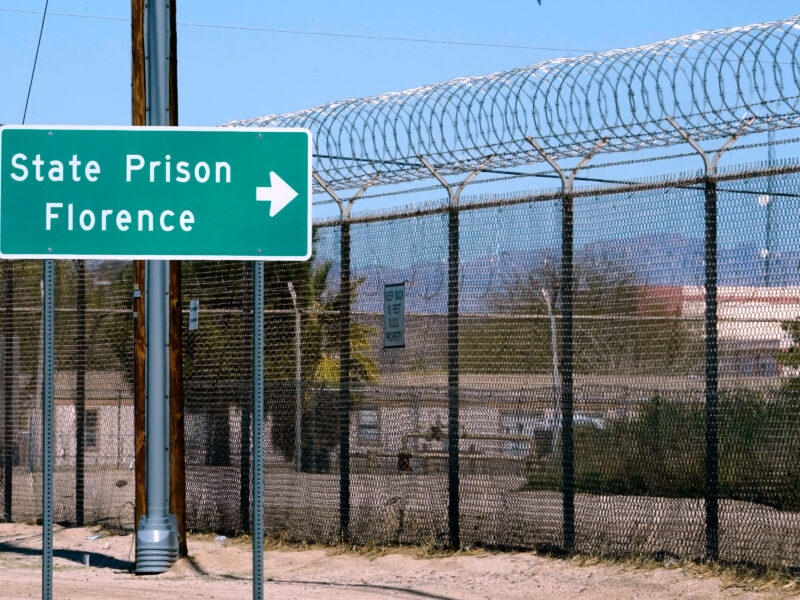
Arizona's Department of Corrections faces court-ordered oversight after a judge appointed an outside receiver to manage healthcare delivery across all nine state-run prisons. The department has signaled plans to appeal the receivership appointment.
The receiver will assume direct control of prison healthcare operations, a significant intervention indicating the court found systemic failures in medical services. This remedy typically follows findings that a defendant persistently violates constitutional or statutory obligations despite previous court orders.
Receiverships in prison healthcare cases stem from conditions litigation alleging inadequate medical care, delayed treatment, or dangerous facility conditions. Federal courts and state courts invoke this equitable remedy when administrative remedies prove insufficient. The receiver operates with court authority to hire staff, procure services, and allocate funds independent of the agency's traditional budget constraints.
Arizona's appeal signals the department contests either the factual basis for the receivership or the remedy's scope. The state must demonstrate either that healthcare conditions have substantially improved or that less intrusive alternatives exist. Appeals in prison receivership cases move through state appellate courts, where the receiver typically continues functioning pending final resolution.
For Arizona's prison system, a receiver imposes operational costs and administrative complexity. Prison officials lose direct control over healthcare spending and personnel decisions. The receiver reports to the court, creating a parallel governance structure. Healthcare staff may transition to receiver supervision, and procurement contracts shift from departmental control to court-supervised processes.
This development reflects a broader pattern of judicial intervention in state prison systems where internal reforms stall. Courts appoint receivers in prison healthcare, security, and conditions cases when evidence shows persistent noncompliance with constitutional standards. The appointment affects not only healthcare delivery but establishes precedent for future judicial oversight of Arizona corrections operations.