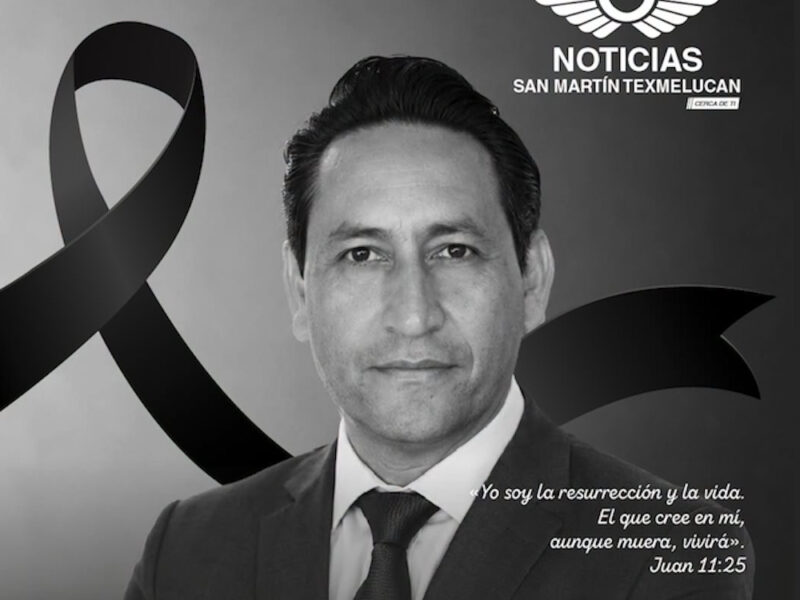
Mexico's press freedom organizations have condemned President Claudia Sheinbaum's response to the murder of a sixth journalist in 2024, arguing her administration's investigation promises fall short of addressing systemic violence against the media.
The killing marks the latest in a pattern of journalist deaths under Sheinbaum's presidency. Advocacy groups including the Committee to Protect Journalists and Article 19 have criticized the federal government for failing to implement substantive protections for reporters despite repeated pledges to do so.
Sheinbaum announced the administration would investigate the case, but press freedom advocates rejected the approach as inadequate. They point to a documented trend of murders, disappearances, and threats targeting Mexican journalists who report on organized crime, corruption, and cartel activity. Many cases remain unsolved, and perpetrators face minimal prosecution.
Mexico ranks among the world's deadliest countries for journalists outside active conflict zones. The Inter-American Commission on Human Rights has warned that impunity enables continued attacks. Organizations working on press freedom note that standard investigation protocols have failed to produce convictions or deter future violence.
The groups demanded concrete action beyond investigations. Their agenda includes federal protection programs for at-risk reporters, prosecution of public officials complicit in violence, and dismantling the institutional structures that shelter those responsible for journalist murders.
Sheinbaum inherited a crisis from previous administrations but faces mounting pressure to demonstrate her government prioritizes media safety. The repetitive cycle of murders followed by administrative promises has eroded confidence among journalists and civil society organizations.
Mexico's Constitution and federal law nominally protect press freedom. The reality on the ground shows enforcement mechanisms remain weak. Without prosecutions or convictions of those ordering or executing murders, the legal framework offers limited protection to working journalists.
The case underscores the gap between legal protections and practical security for the press in Mexico. Advocacy groups signal they will