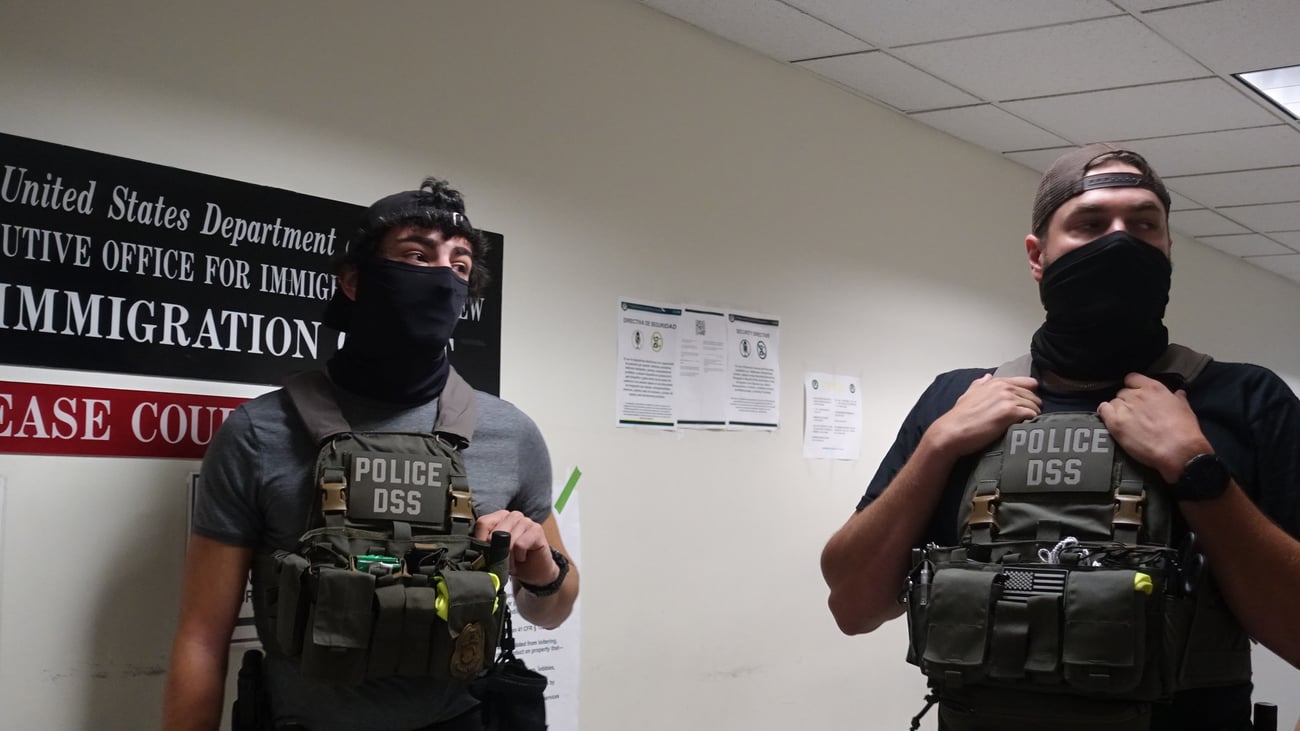
U.S. Immigration and Customs Enforcement agents arrested at least six individuals at Manhattan immigration courts after a federal judge imposed restrictions on such arrests in May. The arrests directly violated the judicial order limiting enforcement actions at courthouses.
Federal judges have long discouraged immigration arrests at courthouses, viewing them as threats to judicial access and due process. In May, a federal judge formalized this concern through an explicit ban or restriction on ICE arrests within Manhattan immigration court facilities. The order reflected the judiciary's position that courthouse arrests chill the willingness of immigrants to appear for hearings and seek legal representation.
Despite the clear judicial directive, ICE agents conducted arrests at the Manhattan facility at least six times following the May order. The enforcement actions represent a pattern of defiance toward court authority. Courthouse News reported the violations without specifying the precise identities of those arrested or the charges they faced.
The situation raises questions about agency compliance with judicial orders and the separation of powers. Federal judges exercise authority over their courthouses and can sanction parties for violations of courtroom rules and orders. ICE's continued arrests suggest either a deliberate disregard for the judicial restriction or systematic failures in communication between agency field offices and headquarters regarding the court's directive.
Immigrants facing deportation proceedings often depend on accessing courts without fear of immediate detention. Arrests at courthouse doors discourage people from attending hearings, filing motions, and consulting attorneys. This undermines the adversarial process and the judiciary's ability to adjudicate cases fairly.
The violations may trigger contempt proceedings against ICE or individual agents. Federal judges possess inherent authority to hold agencies in contempt for willfully violating their orders. Such proceedings can result in fines or other sanctions designed to coerce compliance. The repeated arrests following the May ban demonstrate a pattern that strengthens arguments for contempt findings.
Immigration advocates and civil rights organizations have consistently opposed courtroom arrests as interference