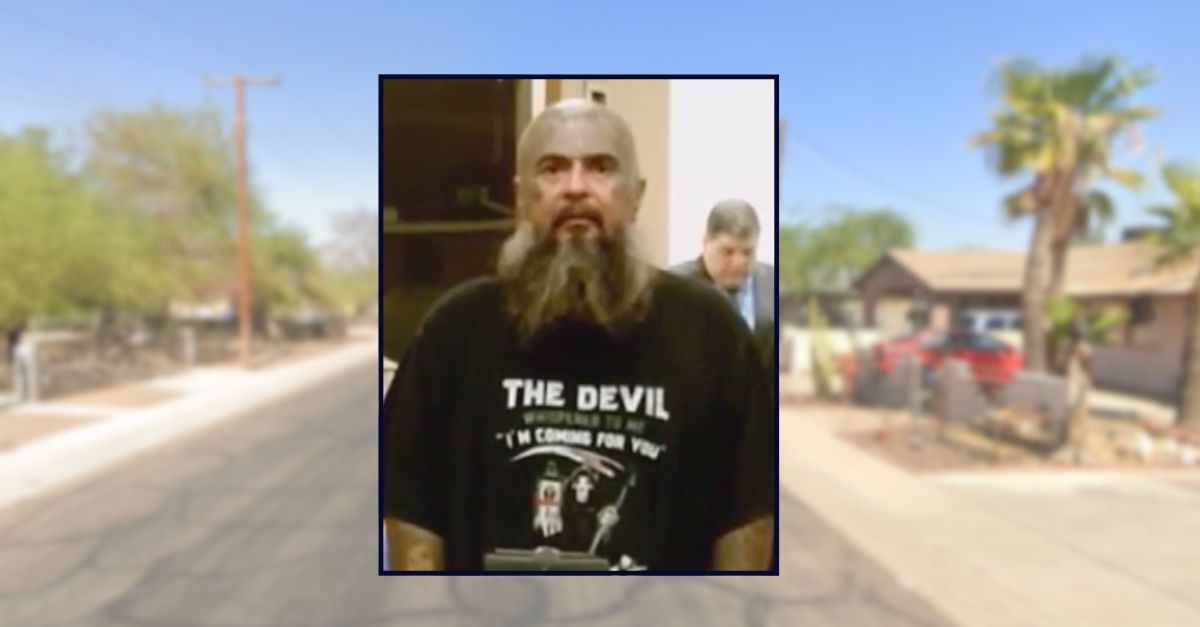
A son faces murder charges after police say he beat his father to death during a violent altercation, then concealed the body beneath plywood in a carport structure. Law enforcement discovered the victim's remains following an investigation into the incident.
During questioning, the son made statements to police indicating the confrontation escalated when he claimed he needed to "stop" his father. According to police records, the son stated he was "not like his dad" and characterized himself as "good," while blaming his father for placing him in prison previously for "not minding his business." These statements, documented by investigators, suggest a history of conflict between the two men and possible justification in the son's mind for his actions.
The son's decision to hide the body under plywood in a carport-type structure demonstrates consciousness of guilt, a factor prosecutors typically use to strengthen murder charges. The concealment of remains complicates the case further, as it may result in additional charges related to obstruction of justice or abuse of a corpse, depending on jurisdiction and statute.
The case presents questions about premeditation, malice aforethought, and whether the son can successfully claim self-defense or heat-of-passion arguments. His statements to police regarding his father's prior actions sending him to prison could form the basis of a defense strategy, though prosecutors will argue the violent response far exceeded any legal justification. The deliberate concealment of the body undermines claims of accidental death or temporary loss of control.
The prosecution must establish proof beyond reasonable doubt that the son acted with intent to kill, or acted with deliberate indifference to human life. Defense counsel will likely argue the father initiated the confrontation or posed a threat. The physical evidence, including autopsy results showing the extent and nature of injuries, will prove central to both the state's case and the defense theory.