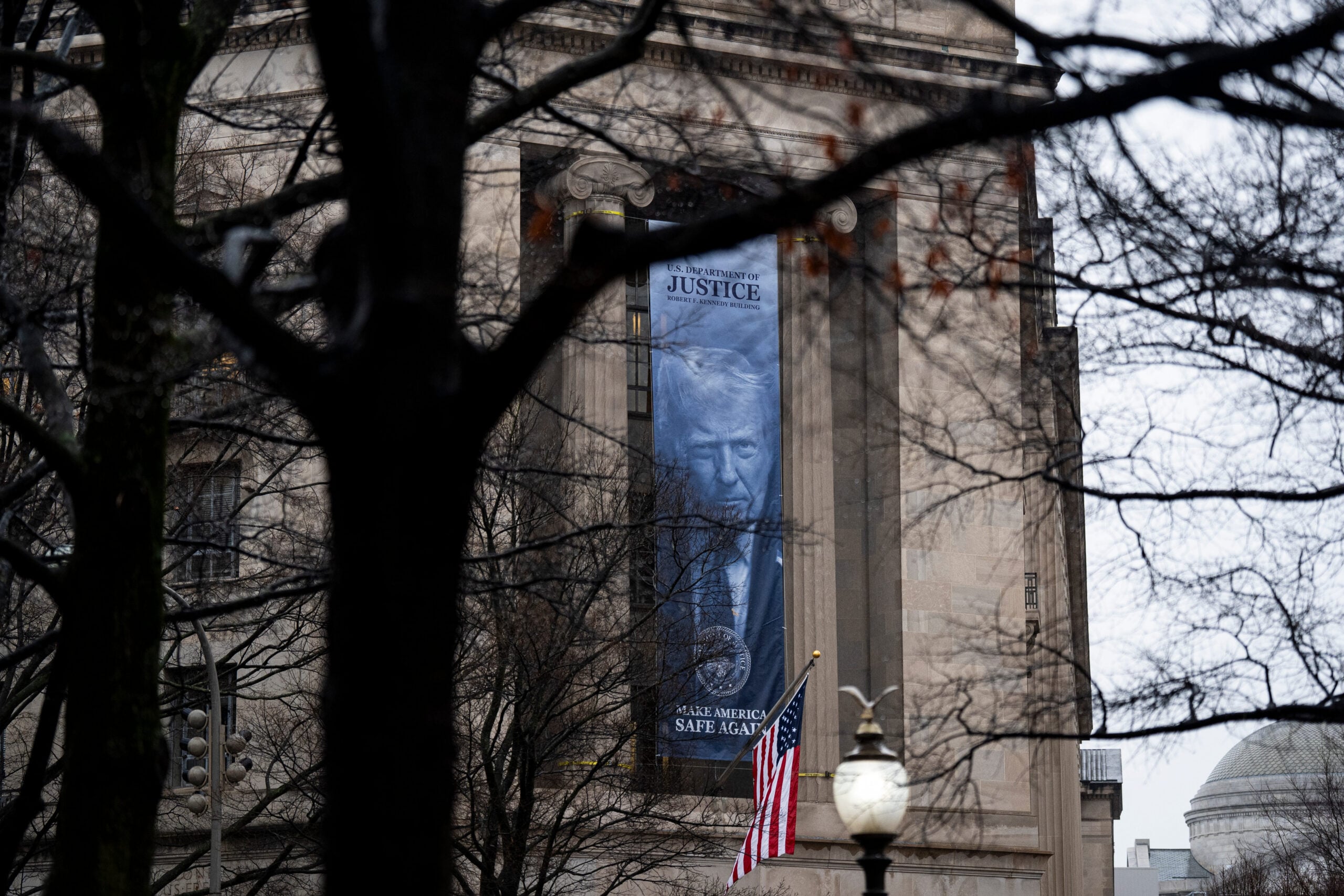
The Department of Justice faces criticism for its handling of subpoenas issued to major law firms, with observers questioning the effectiveness and strategic clarity of the government's approach. The DOJ's public explanation of its Biglaw subpoena campaign has generated confusion rather than confidence, raising concerns about whether the department's stated objectives align with its actual enforcement tactics.
In a separate development, the House Oversight Committee experienced an embarrassing setback when prominent attorney Alan Dershowitz canceled a scheduled Monday testimony regarding Epstein-related matters at the last minute. Dershowitz had previously indicated willingness to testify before the committee about his involvement in the Epstein case, making the sudden cancellation a significant blow to the committee's investigative timeline.
These incidents reflect broader frustration with federal enforcement priorities and congressional oversight mechanisms. The DOJ subpoena controversy suggests internal inconsistency between the government's public messaging and its substantive enforcement strategy against major law firms. Critics question whether the department possesses sufficient clarity about its investigative objectives or whether political considerations are driving enforcement decisions.
The Dershowitz cancellation compounds ongoing difficulties in holding powerful figures accountable through formal congressional and judicial processes. High-profile witnesses continue to evade meaningful accountability despite prior public commitments to cooperate with investigations. The pattern demonstrates persistent gaps between announced enforcement initiatives and their practical implementation.
Together, these developments illustrate systemic challenges in federal accountability mechanisms. The DOJ struggles with strategic communication about complex investigations. Congressional oversight encounters obstacles when witnesses exercise last-minute withdrawal tactics. The combination suggests that powerful individuals and institutions retain substantial ability to control their exposure to formal scrutiny, regardless of public pressure or stated investigative commitments.