# Summary
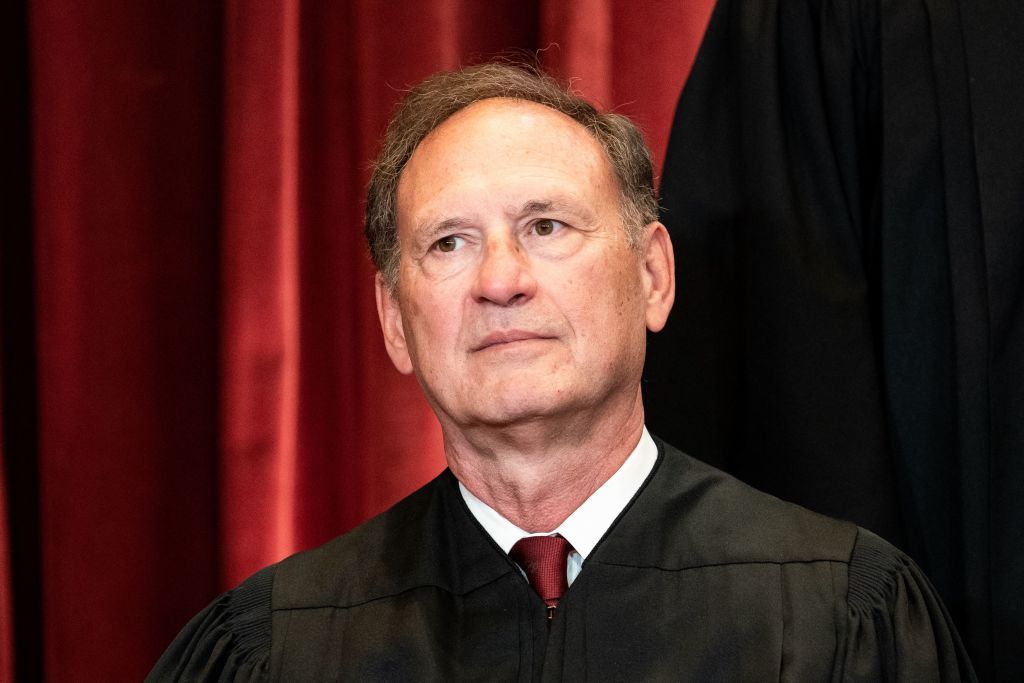
Peter Canellos, a veteran legal journalist and editor, discussed his biography of Supreme Court Justice Samuel Alito in an interview with SCOTUSblog. Canellos' work examines Alito's judicial philosophy, personal background, and path to the nation's highest court.
The biography traces Alito's career from his early years through his appointment by President George W. Bush in 2005. Canellos explores how Alito's formative experiences, legal training, and work as a federal judge shaped his conservative judicial approach. The journalist investigates the intellectual foundations underlying Alito's opinions on abortion, religious liberty, and executive power.
Canellos emphasized the importance of understanding Alito's worldview through concrete examples from his judicial record. The biography examines key opinions, including the majority decision in Dobbs v. Jackson Women's Health Organization, which overturned Roe v. Wade in 2022. Canellos analyzed how Alito's originalist methodology informs his interpretation of the Constitution and his skepticism toward expansive readings of unenumerated rights.
The interview addresses Alito's influence on the conservative legal movement and his role in reshaping constitutional doctrine. Canellos discussed how Alito's tenure reflects broader ideological shifts within the federal judiciary and the Republican Party's judicial selection strategy.
The biography contributes to public understanding of one of the Supreme Court's most consequential justices during a period of dramatic constitutional realignment. Canellos' work provides readers with insight into Alito's reasoning, motivations, and the legal theories that drive his decisions affecting millions of Americans.