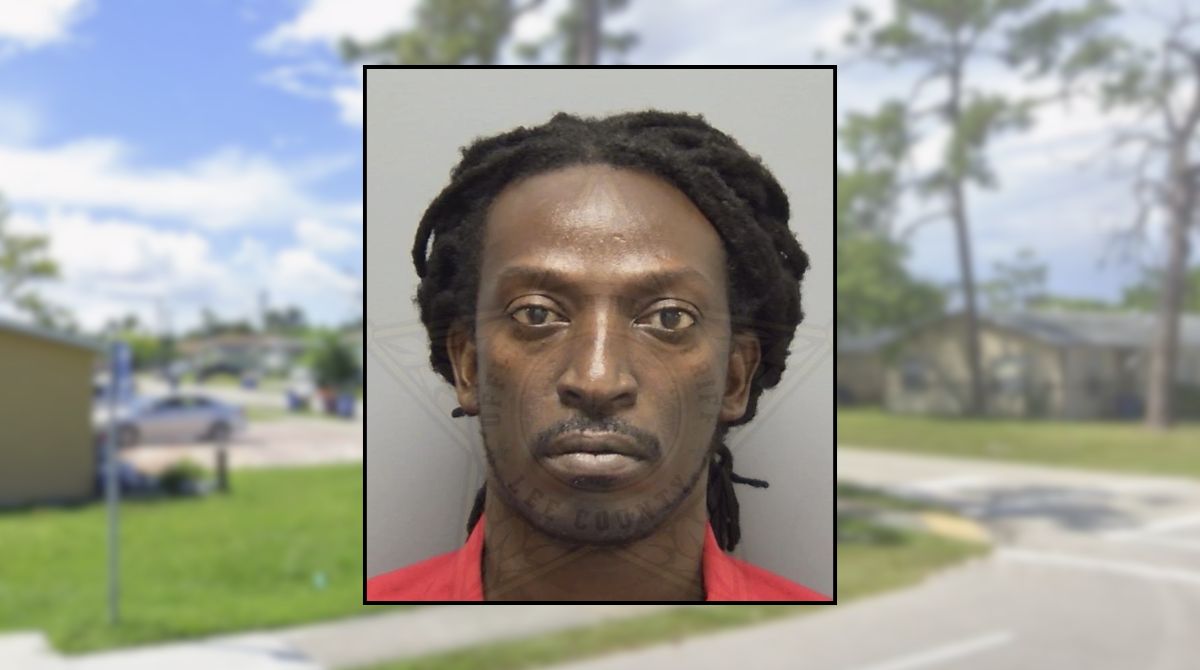
A man allegedly shot and killed another person, then immediately livestreamed the aftermath on Facebook Live while standing over the victim's body, according to police. The suspect, identified as Hyacinthe, retrieved his phone shortly after the shooting and broadcast video of himself at the scene to his Facebook followers.
Law enforcement used the livestreamed footage as evidence in the investigation. The real-time broadcast created a detailed digital record of the crime scene, capturing the suspect's actions and presence at the location immediately following the alleged homicide.
This case illustrates how social media platforms can serve as both a liability and evidentiary tool in criminal investigations. The suspect's decision to document and broadcast his actions provided investigators with timestamped, contemporaneous evidence that could corroborate witness accounts and establish his presence at the scene.
Prosecutors likely face an easier burden of proof than in typical homicide cases. The video evidence eliminates many factual disputes about who was present and what transpired in the moments following the alleged shooting. The livestream captures the suspect's own conduct and demeanor immediately after the crime.
This situation also raises questions about Facebook's content moderation systems. The platform has faced recurring criticism for failing to promptly remove violent content from its service. A livestreamed murder scene represents among the most severe violations of the platform's community standards.
The case carries implications for digital evidence in criminal proceedings. Defense attorneys may challenge the authenticity or context of the video, but the self-incriminating nature of the broadcast substantially complicates any defense strategy. Voluntary confessions or self-documenting conduct have long carried significant weight in criminal cases.
Federal and state authorities investigating homicides increasingly rely on social media evidence, including livestreams, photographs, and posts made by suspects. The prevalence of smartphones and social media has fundamentally altered criminal investigations and prosecutions by creating immediate, permanent records of events.