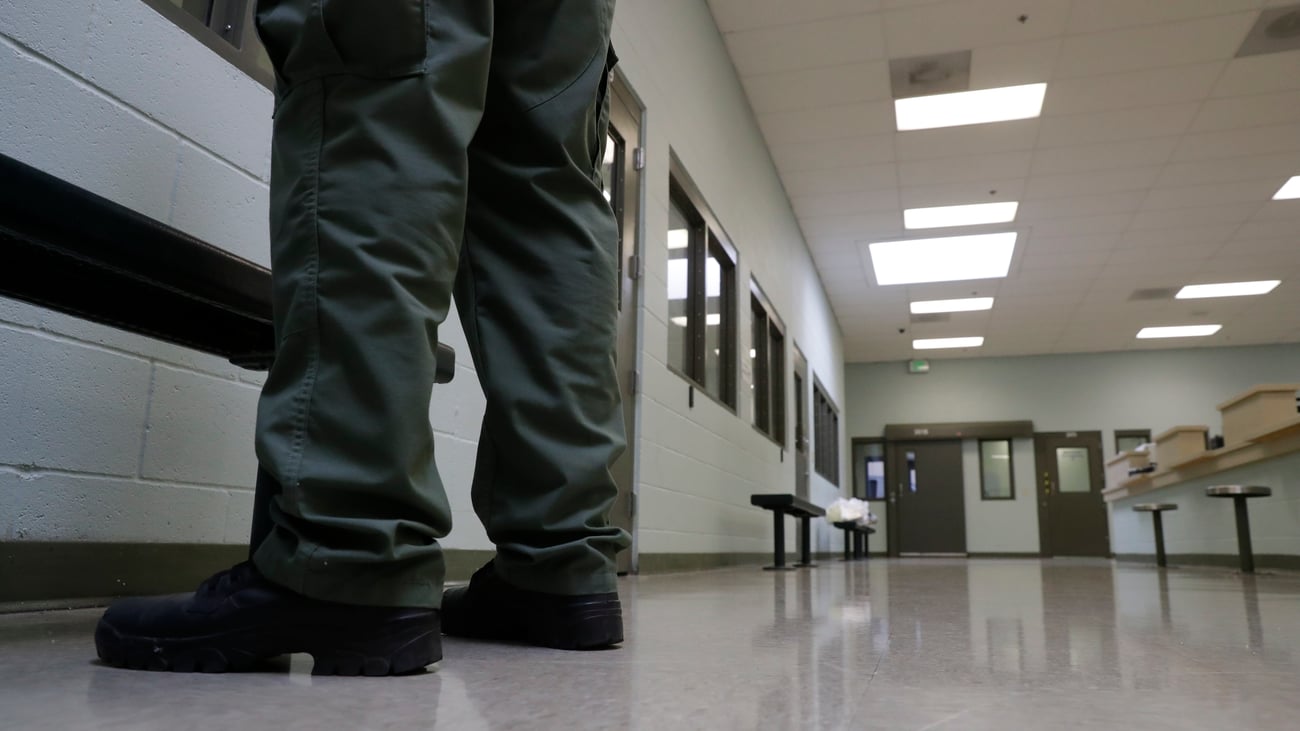
A federal judge ordered U.S. Immigration and Customs Enforcement to improve conditions at the Adelanto Detention Facility in California, finding that detainees lacked access to clean drinking water and adequate food. The ruling addresses systematic deficiencies in a facility operated by GEO Group, a private prison contractor.
The order follows litigation brought by civil rights advocates on behalf of detainees held at the Adelanto facility, which houses immigration detainees awaiting removal proceedings or transfer. The judge found that conditions violated the Fifth Amendment's due process protections and federal standards governing detention facility operations.
Specific violations included contaminated or inaccessible drinking water and meals that failed to meet basic nutritional requirements. The court determined these conditions created serious health and safety risks for the vulnerable population held there. The facility's operator must now implement remedial measures to ensure potable water availability and nutritionally adequate meals within a specified timeframe.
This decision reflects broader scrutiny of private immigration detention centers. GEO Group operates numerous ICE facilities nationwide under federal contracts worth billions annually. Civil rights organizations have documented recurring problems at these facilities, including medical neglect, inadequate sanitation, and abuse allegations.
The ruling carries practical implications for ICE detention operations. It establishes enforceable standards for basic conditions of confinement and creates liability exposure for both ICE and private contractors failing to meet them. Federal judges increasingly intervene in detention facility management, particularly when systemic failures affect fundamental human needs.
The judgment also signals judicial willingness to impose affirmative obligations on detention authorities rather than merely prohibiting specific abuses. ICE must allocate resources to remedy conditions rather than simply defending current practices. This approach echoes similar court orders at other detention facilities nationwide.
The decision impacts policy debates over immigration detention generally. Advocates argue private contractors prioritize profit over detainee welfare. The government counters that detention remains