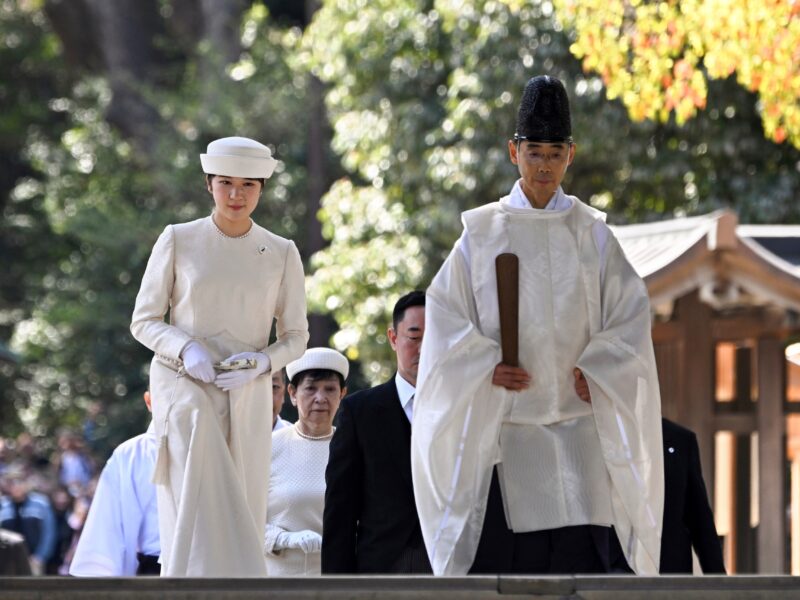
Japan's parliament has codified the male-only succession rule for the imperial family, rejecting efforts to expand eligibility to female heirs. Prime Minister Sanae Takaichi and conservative lawmakers argue that maintaining an unbroken male bloodline constitutes "the only source of the emperor's authority and legitimacy."
The legislative action addresses mounting pressure from Japan's shrinking imperial lineage. The royal family currently has only four male heirs in the direct line of succession, creating a succession crisis that threatens continuity of the Chrysanthemum Throne, which has existed for over 1,200 years.
Despite demographic realities, Japan's Diet (parliament) rejected proposals that would have permitted female members of the imperial family to assume the throne or allow male descendants through female lines to maintain succession rights. The Imperial House Law, Japan's constitutional framework governing imperial succession, remains restricted to male heirs born to reigning emperors or their male predecessors.
This decision represents a significant setback for reformers who argued that allowing female succession or matrilineal descent would solve the succession problem while modernizing an institution increasingly out of step with contemporary norms. Advocates noted that other monarchies, including the United Kingdom and Spain, have successfully amended succession laws to include female heirs.
The political outcome reflects deeper conservative values within Japan's government. Takaichi and her allies contend that departing from strict male-line succession would fundamentally alter the nature of imperial authority under Japan's constitutional monarchy system.
The practical implications are substantial. If the number of male heirs continues declining, Japan could face a succession vacuum. Current plans envision maintaining the imperial household through collateral branches, though this approach carries its own constitutional and legitimacy questions.
The debate remains unresolved despite official deliberations by the Imperial Household Council. Women's rights advocates and some constitutional scholars continue pressing for statutory reform, while conservative factions