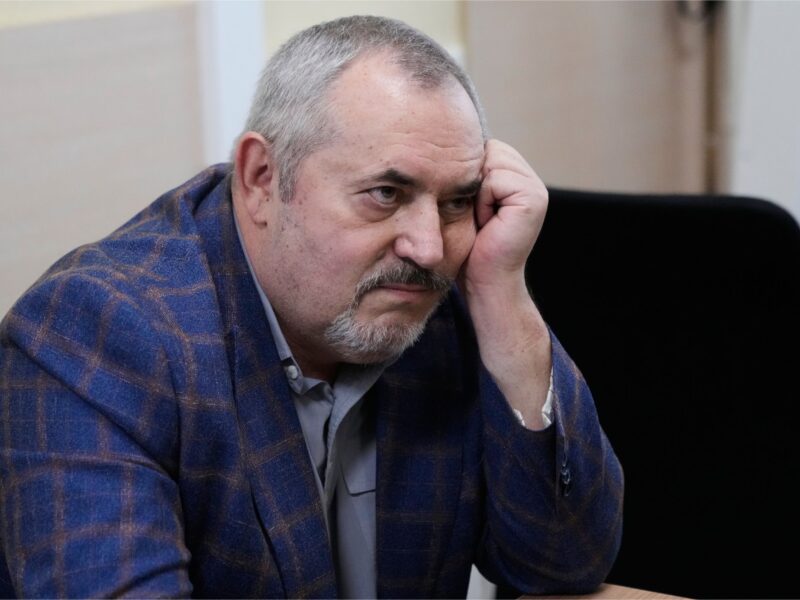
A Russian court convicted a Putin critic on charges designed to prevent him from running in upcoming parliamentary elections. The conviction eliminates a candidate who might have challenged United Russia, the Kremlin's dominant party in the lower house of parliament.
Russian electoral law bars individuals with criminal convictions from campaigning. The timing of the conviction before parliamentary elections suggests the charges served a political purpose. Prosecutors pursued the case against a backdrop of the Kremlin's push to maintain United Russia's parliamentary supermajority.
United Russia faces competition from "systemic" opposition parties that operate within the state framework. These parties accept certain political boundaries rather than fundamentally challenging Kremlin authority. The conviction removes a more independent voice from the electoral process.
The case reflects Russia's legal system's intersection with political control. Courts frequently deliver convictions on charges critics view as pretextual, particularly targeting political opponents. The defendant's exclusion from campaigning illustrates how criminal statutes function as barriers to dissent in Russian electoral politics.
This conviction follows a pattern of legal proceedings targeting anti-Kremlin figures. Russian authorities have employed defamation laws, extremism statutes, and other charges to sideline political rivals before major elections. The mechanism works consistently: convict, disqualify, secure parliamentary seats for preferred candidates.
The lower house race determines Russia's legislative direction for the next five years. United Russia's supermajority enables rapid passage of Kremlin-backed legislation without meaningful debate. By removing opposition candidates before voting begins, authorities reduce the pool of alternatives available to voters while technically maintaining the appearance of competitive elections.
This case demonstrates how authoritarian systems can weaponize criminal law against political opponents while preserving formal legal structures. The conviction serves the immediate tactical goal of protecting United Russia's dominance and the broader strategic objective of consolidating executive power through a compliant legislature.