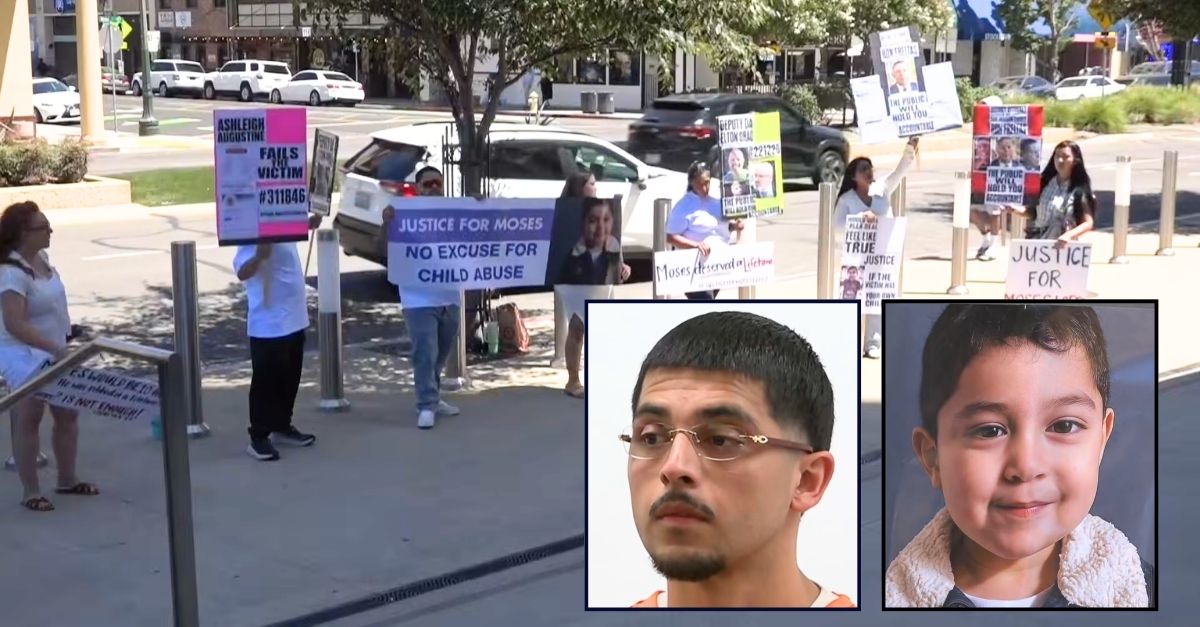
A California father has filed a complaint against prosecutors after they accepted a plea deal that dropped a murder charge against his son's stepfather, despite the child dying from severe abuse injuries.
The biological father alleges that the district attorney's office failed to pursue justice adequately. The stepfather had faced murder charges related to the death of the 4-year-old boy, who died with visible bruises covering his body. Through plea negotiations, prosecutors agreed to reduce or eliminate the murder charge in exchange for a guilty plea to lesser charges.
The father's anger centers on what he views as prosecutorial misconduct or negligence. He contends that accepting a plea deal that removes the murder charge amounts to abandoning the case against the person responsible for his child's death. The case involves the fundamental question of how aggressively prosecutors should pursue cases involving child deaths, particularly when abuse caused the fatalities.
Plea deals in homicide cases often generate controversy when they result in substantially reduced sentences or lesser charges. Defense attorneys argue such arrangements serve judicial efficiency and spare victims' families the trauma of trial. Prosecutors may accept plea deals when they face evidentiary challenges or wish to guarantee conviction on at least some charges. However, families of victims frequently perceive these arrangements as inadequate justice.
This case highlights tensions within the criminal justice system regarding child abuse fatalities. California courts generally recognize that stepparents owe children in their care a duty of protection. Prosecutors must balance the likelihood of conviction against offering guilty pleas that secure punishment rather than risk acquittal at trial.
The biological father's complaint suggests he was not satisfied with the prosecution's handling of the case. Such complaints may be filed with the California State Bar or local law enforcement oversight bodies. Whether the plea deal violated prosecutorial standards or represented a reasonable exercise of prosecutorial discretion likely depends on the specific evidence prosecutors possessed and the strength of their case at the time of negotiation.