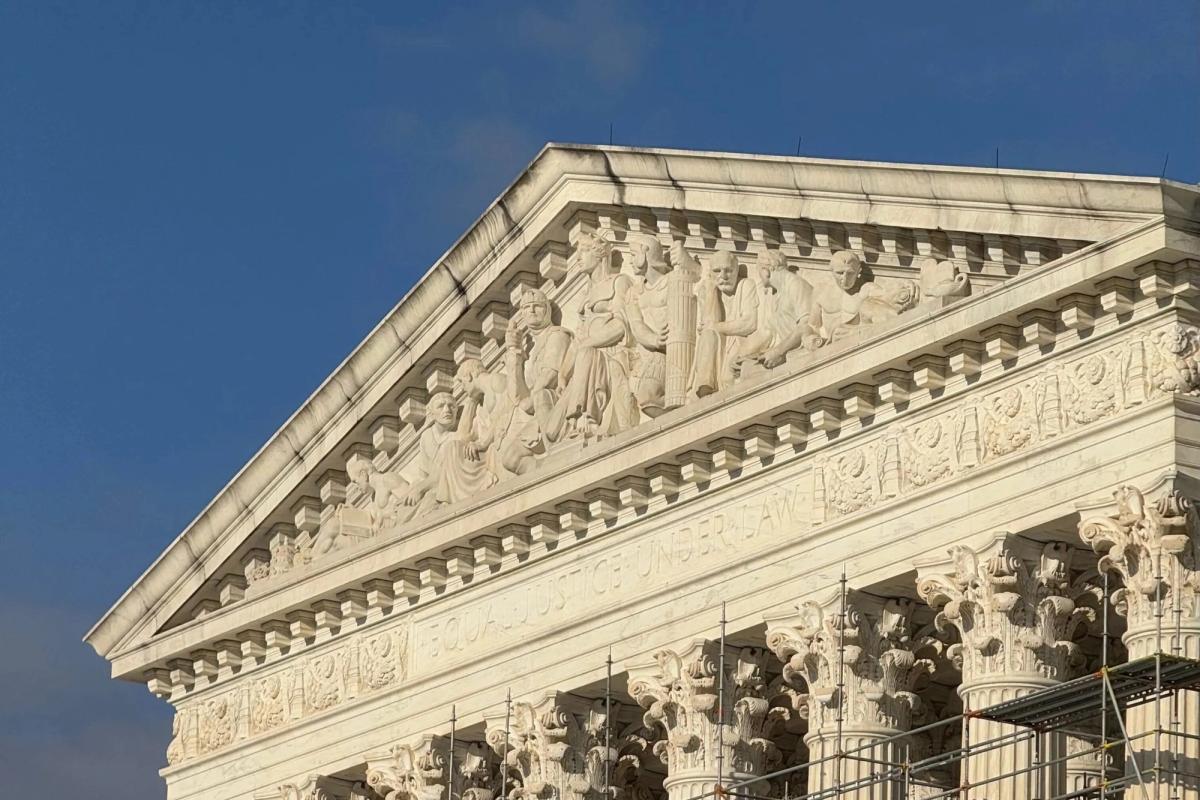
# The Rarity of Supreme Court Do-Overs
The Supreme Court rarely grants cases a second oral argument after the justices have already heard arguments once. SCOTUSblog's term-in-review event examined this phenomenon, featuring commentary from Cecillia Wang, who argued the birthright citizenship case before the Court.
Do-overs at the Supreme Court occur sparingly. The Court orders reargument when circumstances demand it. Cases may return to the calendar when the Court believes additional briefing or oral argument would serve justice. The practice happens so infrequently that each instance draws attention from the legal community.
Wang, an attorney with the American Civil Liberties Union, represented respondents in the birthright citizenship dispute. The case tested whether the Fourteenth Amendment grants citizenship to all persons born in the United States regardless of parental immigration status. The Court ultimately declined to reach the constitutional question, instead deciding the case on narrower procedural grounds in June 2024.
The rarity of reargument reflects the Court's workload constraints and the finality interests the justices protect. Once oral arguments conclude, the Court moves forward with deliberation. Justices rely on the written record, oral presentations, and their own analysis to resolve disputes. Reargument occurs only when the justices determine that their initial understanding of the case proved insufficient or when significant factual or legal developments emerge.
SCOTUSblog's term review provided perspective on how the 2023 term unfolded, including discussion of high-profile cases and the Court's decision-making processes. Wang's participation offered insight into the advocate's perspective when presenting constitutional arguments to the nation's highest court.
The birthright citizenship case represented one of the term's most anticipated decisions. Immigration groups and civil rights organizations mobilized around the question of whether the Constitution protected birthright citizenship. The Court's procedural resolution