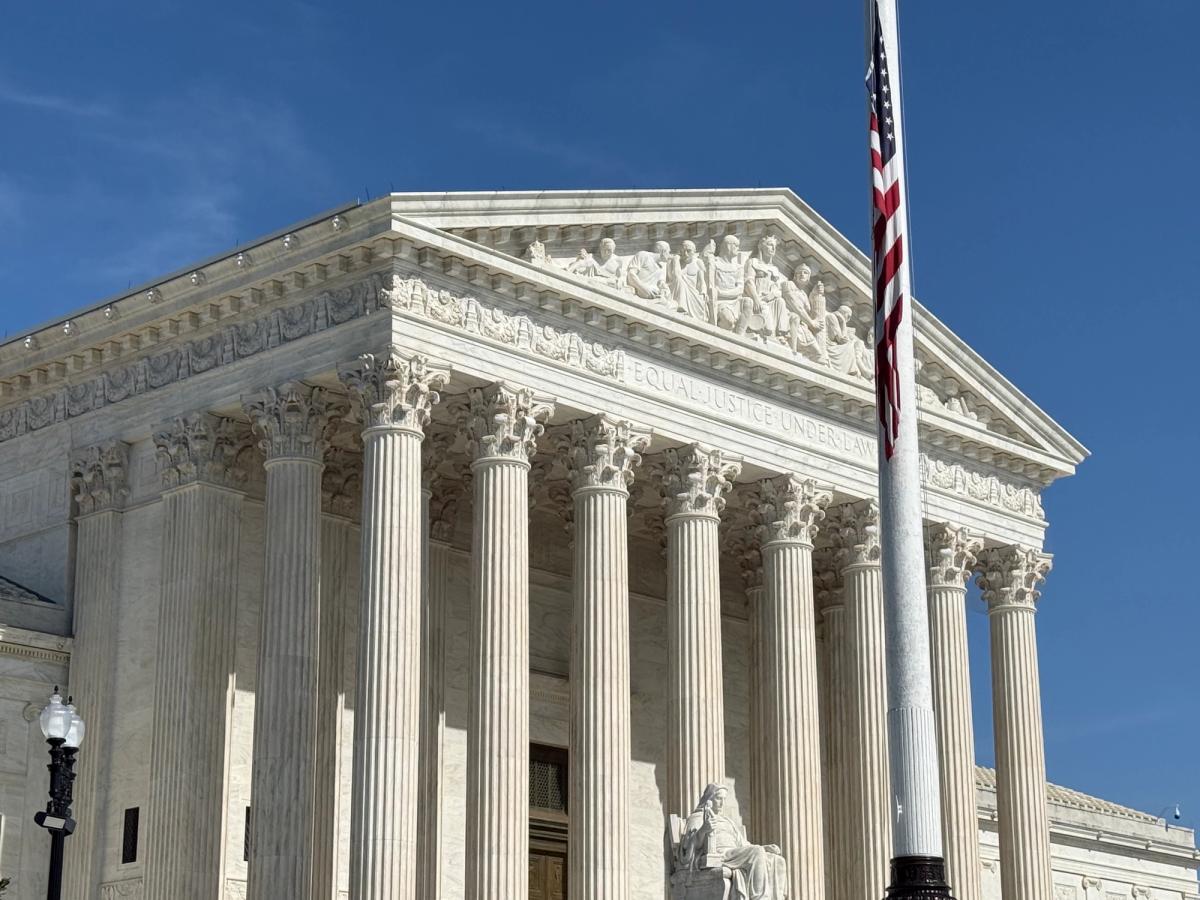
# Supreme Court Public Approval Hits Historic Low
Public confidence in the Supreme Court has reached unprecedented lows following a series of controversial decisions that reshaped the nation's legal landscape. Recent polling data reveals sharp declines in approval across demographic groups, reflecting deep partisan divisions over the Court's direction.
The decline stems largely from high-profile rulings that altered decades of established law. The Court's decision to overturn Roe v. Wade in Dobbs v. Jackson Women's Health Organization eliminated the federal constitutional right to abortion, returning authority to individual states. This decision triggered immediate legal upheaval across the country as numerous states implemented near-total abortion bans. Simultaneously, the Court expanded Second Amendment protections in New York State Rifle and Pistol Association v. Bruen, striking down New York's handgun licensing restrictions.
Other decisions—including those limiting the Environmental Protection Agency's regulatory authority and narrowing voting rights protections—compounded public perception that the conservative majority operates from ideological rather than neutral legal principles. Democrats and independents express particular dissatisfaction, while support among Republicans remains relatively steady.
The erosion of public trust carries tangible consequences for judicial authority. Courts depend on voluntary compliance and public legitimacy to enforce their orders. When legitimacy declines, compliance weakens. Congress faces renewed pressure to pursue court reform proposals, including term limits for justices and expansion of the bench itself, though such changes require constitutional or legislative action facing substantial political obstacles.
Chief Justice John Roberts has emphasized the judiciary's independence and impartiality, resisting characterizations of the Court as politically motivated. Yet polling consistently shows voters perceive partisan influence on judicial decisions at record rates.
The Court's standing deteriorates precisely as it addresses the most contentious issues facing American democracy. Lower public confidence may influence how lower courts interpret and apply the Supreme Court's precedents, potentially fragmenting the uniformity of federal law