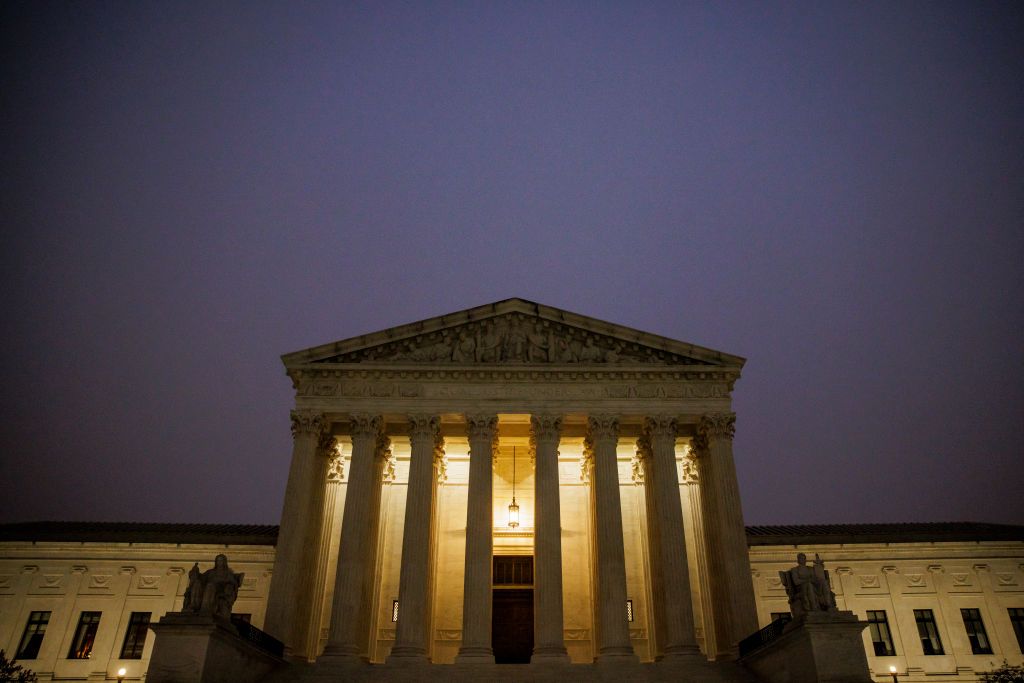
# Justice Shopping on the Supreme Court's Emergency Docket
The Supreme Court's emergency docket, formally known as the shadow docket, has become a vehicle for selective justice based on which justice handles an application, according to legal analysts examining voting patterns on the high court's unsigned emergency orders.
The concern centers on whether litigants strategically file emergency applications before specific justices assigned to particular geographic circuits, hoping those justices will grant relief without full briefing or oral argument. This practice, termed "justice shopping," exploits the fact that individual justices retain significant discretionary power over whether to grant, deny, or refer emergency applications to the full court.
Data reviewed by legal scholars reveals stark disparities in how justices rule on identical legal questions presented in emergency contexts. Some justices grant applications at significantly higher rates than their colleagues, suggesting inconsistent application of the legal standards governing stays, injunctions, and other emergency relief.
The shadow docket has exploded in usage over the past decade. The Supreme Court issued hundreds of unsigned orders on emergency applications during recent terms, with these rulings sometimes setting precedent despite the lack of full briefing, argument, or majority opinion explaining the reasoning.
Critics argue this system circumvents the court's normal procedures designed to ensure deliberation and transparency. When litigants can forum shop among justices, the result produces inconsistent outcomes based on judicial assignment rather than consistent legal analysis. Conservative justices have granted emergency applications at higher rates in certain categories of cases, including those involving abortion, elections, and religious liberty.
The emergency docket's expansion reflects broader questions about the Supreme Court's workload and its increasing willingness to intervene in urgent matters without traditional judicial process. Some justices have expressed concerns about the practice internally, though public acknowledgment remains limited.
This development has practical implications for parties seeking emergency relief from federal courts. Strategic filing decisions based on circuit assignment may yield different outcomes depending