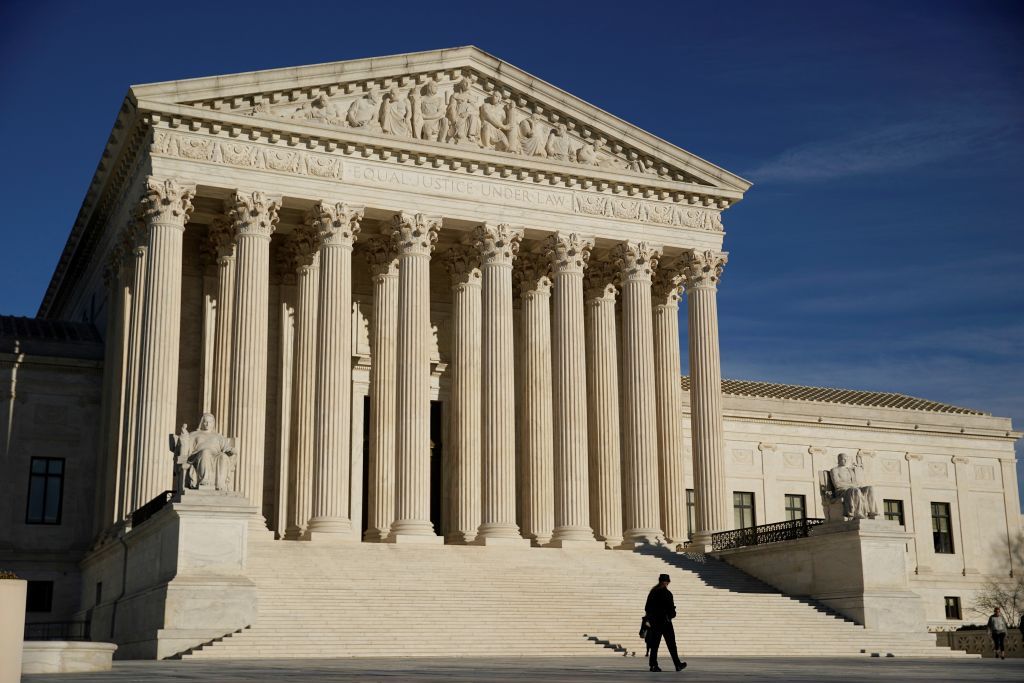
The Trump administration petitioned the Supreme Court to vacate and remand a lower court decision that extended Temporary Protected Status (TPS) to Venezuelan and Haitian nationals. The administration argues the federal courts should reconsider whether these populations qualify for the statutory protection under 8 U.S.C. § 1254a.
TPS permits foreign nationals from designated countries experiencing ongoing armed conflict, natural disaster, or epidemic conditions to remain and work lawfully in the United States. The Department of Homeland Security possesses broad discretion to designate countries for TPS and to terminate those designations.
A lower court previously blocked the administration's attempt to withdraw TPS for Venezuela and Haiti, finding the agency failed to follow procedural requirements or provide adequate justification for rescission. The court applied the Administrative Procedure Act standard requiring agencies to examine relevant data and articulate a rational connection between facts found and the choice made.
The Trump administration contends the lower court overstepped judicial authority by second-guessing executive branch immigration decisions. The petition asks the justices to vacate the injunction and permit the government to proceed with terminating TPS designations while allowing the lower court to reconsider the merits on remand, a procedural posture known as "vacate and remand."
This dispute sits at the intersection of executive power and judicial review in immigration law. The outcome affects hundreds of thousands of beneficiaries currently holding TPS. The administration's filing signals its intent to reverse Biden-era TPS expansions and tighten asylum and immigration policies generally.
The Supreme Court's decision whether to grant the petition will reveal the current Court's receptiveness to broad executive immigration authority versus judicial enforcement of administrative procedure safeguards. Immigration advocates warn that TPS termination would force many nationals into deportation proceedings despite integration into American communities.