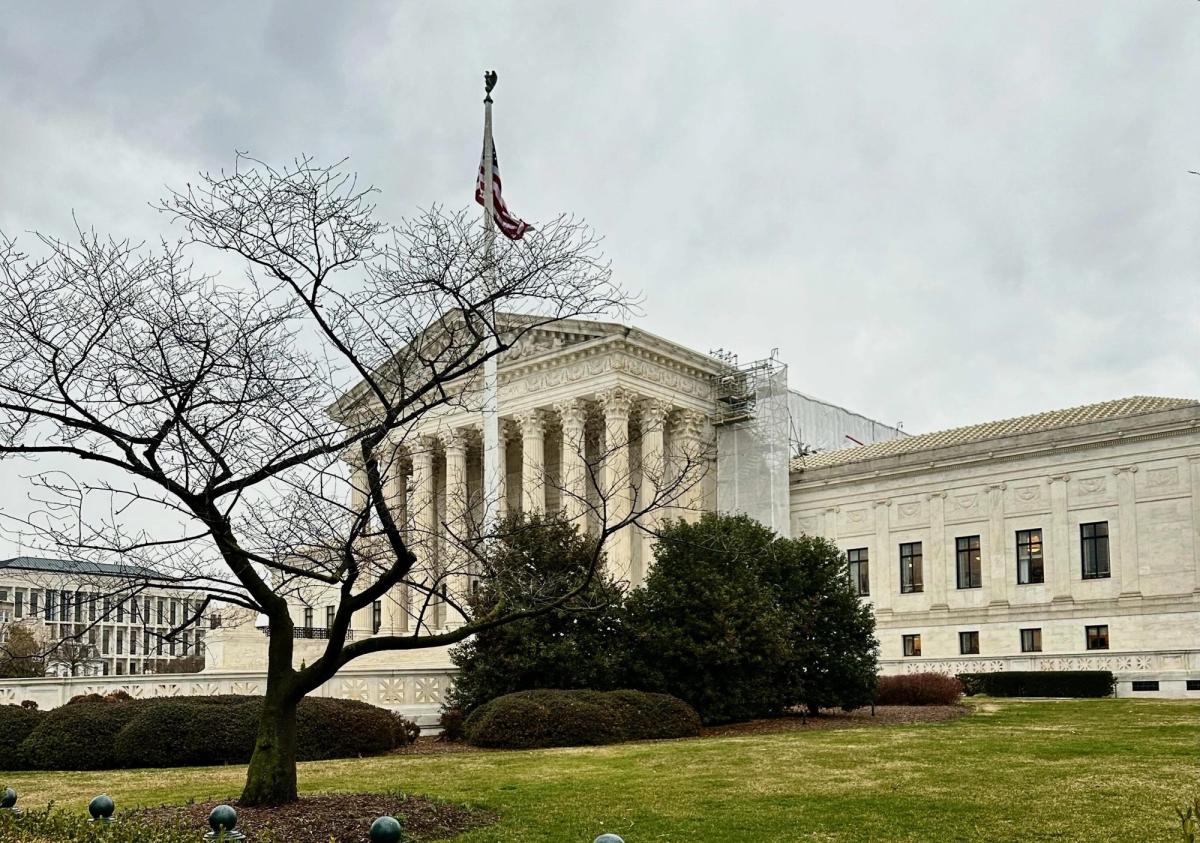
# Supreme Court's Criminal Law Docket Reflects Shifting Enforcement Landscape
The Supreme Court's criminal law term addresses foundational questions about prosecutorial power, constitutional protections, and the scope of federal authority. The docket reveals patterns in how justices approach defendant rights versus government enforcement interests.
Several cases test the boundaries of federal criminal statutes. The Court examines whether prosecutors have stretched statutes beyond their original intent, particularly in cases involving fraud charges and conspiracy allegations. These decisions shape how broadly federal agencies can pursue white-collar crime and organized criminal conduct.
Fourth Amendment cases dominate the docket. The justices consider when police may conduct searches without warrants and how digital privacy intersects with criminal investigation. These rulings directly affect law enforcement procedures nationwide and determine what evidence courts admit at trial.
Sixth Amendment questions arise around defendants' right to effective assistance of counsel. The Court weighs whether lawyers provided inadequate representation that warrants new trials. This docket item affects thousands of convictions potentially subject to reversal if the Court finds systemic failures in public defense systems.
Sentencing jurisprudence continues evolving. Cases examine mandatory minimum requirements and judicial discretion in imposing penalties. Federal judges and state courts await clarity on how much flexibility they retain when Congress establishes sentence floors.
The term also addresses retroactivity principles. When the Court changes criminal law doctrine, whether that change applies to cases already decided affects millions of incarcerated individuals. The justices balance finality and closure against fairness in light of new legal standards.
Observers note the Court's ideological composition influences outcomes. Conservative justices generally show deference to prosecutors and law enforcement, while liberal justices emphasize defendant protections. Close votes indicate genuine disagreement about constitutional criminal procedure.
These cases have immediate practical effects. Police departments revise interrogation protocols. Defense bars prepare for new standards. Prosecutors adjust charging decisions. State