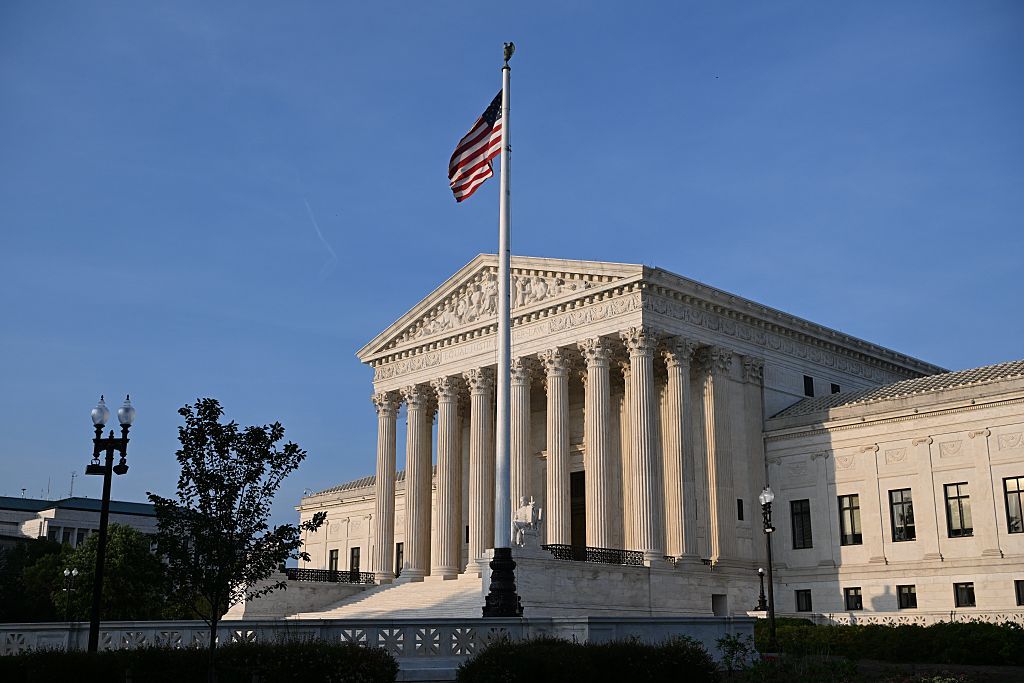
# What Makes a Supreme Court Case Truly Important?
SCOTUSblog has reopened a fundamental debate about how legal scholars and practitioners measure the significance of Supreme Court decisions. The question cuts beyond citations and public awareness to examine which cases actually reshape law and society.
Traditional metrics often rely on citation frequency, assuming the most-cited opinions carry the greatest weight. Yet this approach misses cases that fundamentally alter legal doctrine while remaining relatively obscure. A decision establishing a new constitutional standard might generate fewer subsequent citations than a technical procedural ruling cited repeatedly in discovery disputes.
The analysis distinguishes between different types of importance. Doctrinal importance refers to cases that establish precedent controlling future litigation. Practical importance measures real-world impact on institutions and individuals. Political importance captures decisions that reshape electoral systems or governmental power. Cultural importance reflects cases that enter public consciousness and spark broad social debate.
Marbury v. Madison exemplifies this complexity. Rarely cited for its specific holding about writs of mandamus, it achieved paramount historical importance by establishing judicial review itself. Conversely, cases like Twombly and Iqbal revolutionized pleading standards and generated massive citation volume, yet their practical impact on access to courts remains contested.
Temporal distance affects assessment. Decisions that seem routine at announcement sometimes acquire greater significance decades later as their implications unfold. Conversely, cases hailed as transformative occasionally fade when courts limit or abandon their reasoning.
The debate has practical stakes for law professors, judges, and practitioners. Which cases merit intensive study in constitutional law courses? Which precedents demand priority in appellate briefs? Which decisions should guide lower court reasoning when Supreme Court doctrine remains unsettled?
SCOTUSblog's framework suggests that importance is multidimensional and context-dependent. A case supremely important to constitutional scholars might matter less to a state court judge wrestling with tort liability.