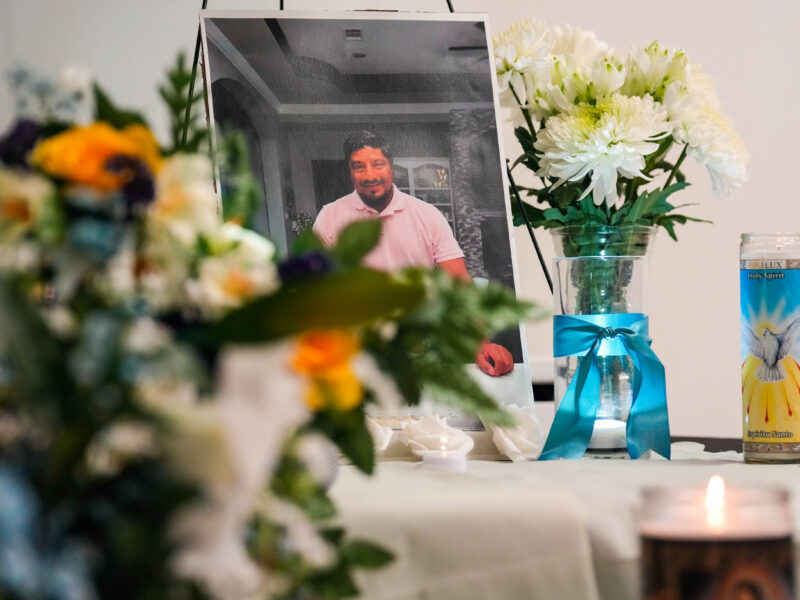
Mexico's government has demanded that the United States and United Nations investigate deaths of Mexican nationals killed during Immigration and Customs Enforcement (ICE) operations under President Trump's second administration. The most recent death marks the 17th fatality of a Mexican citizen resulting from ICE immigration enforcement actions during Trump's current term.
Mexico's formal complaint targets the pattern of lethal force used by ICE agents during immigration enforcement operations. The Mexican government seeks accountability through both U.S. domestic investigative mechanisms and international scrutiny via the United Nations, suggesting concerns that domestic investigations alone may prove insufficient.
The accelerated death toll under Trump's second term reflects intensified immigration enforcement priorities. ICE operations have expanded in scope and aggressiveness compared to previous administrations. Each death raises questions about training, de-escalation protocols, and appropriate use-of-force standards applicable to immigration agents.
The complaint carries diplomatic weight. Mexico has standing to demand investigations involving its citizens killed abroad, particularly when government agents bear responsibility. Escalating fatalities create bilateral tensions and potential violations of international human rights norms. The UN investigation request suggests Mexico views these deaths as systematic rather than isolated incidents.
The legal implications remain substantial. ICE agents may face civil rights claims under 42 U.S.C. Section 1983 for excessive force. Families of deceased Mexican nationals could pursue wrongful death litigation against the federal government. Criminal charges for violations of federal civil rights statutes (18 U.S.C. Section 242) remain possible if evidence demonstrates deliberate indifference or intentional misconduct.
The diplomatic dimension complicates matters. U.S.-Mexico relations depend partly on immigration cooperation and border management. Mexico's escalating demands signal willingness to weaponize these incidents diplomatically if the U.S. fails to address legitimate concerns about agent conduct.
The Trump administration faces pressure to demonstrate that enforcement intensity does not