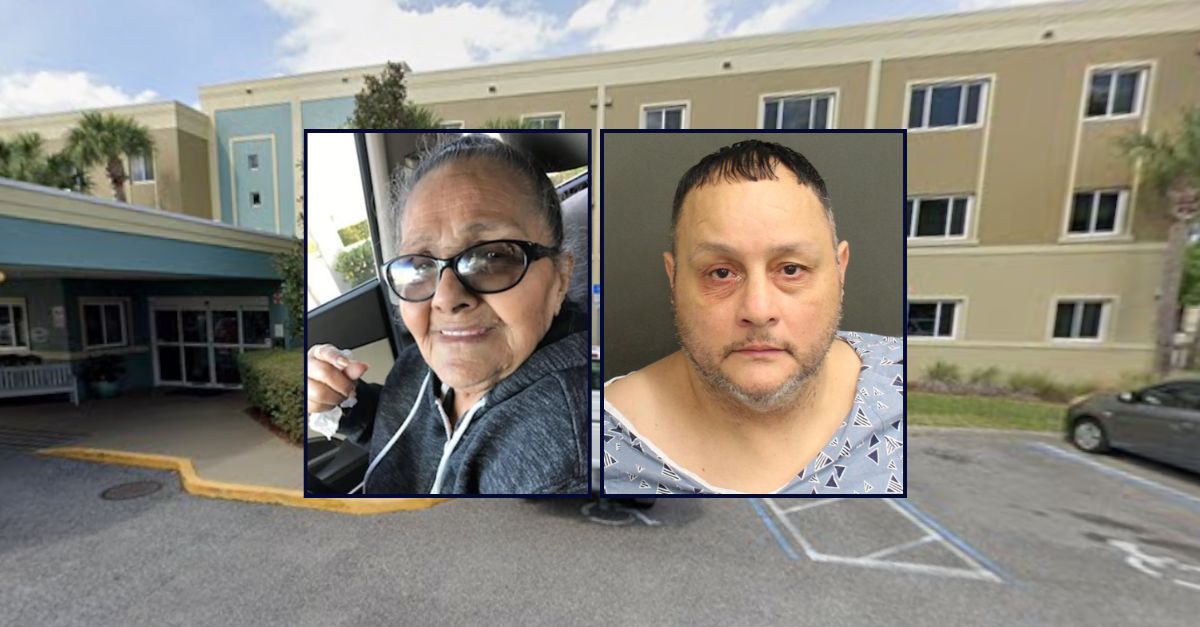
A Florida man faces murder charges after strangling and beating his girlfriend's 93-year-old mother to death in her bed, authorities report. The victim had celebrated her birthday with family members shortly before the attack.
The elderly woman was found dead in her residence following the violent assault. Investigators determined that the defendant used manual strangulation and blunt force trauma to kill her. The attack occurred in the victim's own bedroom, a location where she should have been safest.
The defendant's relationship to the victim was indirect. He was dating the victim's daughter, giving him access to the home where the elderly woman lived. No details emerged regarding the motive for the killing or any prior conflict between the defendant and victim.
Law enforcement arrested the defendant and charged him with second-degree murder or higher degree homicide, depending on prosecutorial discretion and evidence presented. Florida's murder statutes carry significant penalties. A conviction for first-degree murder carries a mandatory life sentence without parole. Second-degree murder carries up to 15 years imprisonment.
The case raises questions about home safety for vulnerable elderly residents and the vetting of individuals granted access to homes where seniors live. Elder abuse cases often involve family members or those with familial connections, making this tragedy emblematic of a broader pattern documented by law enforcement agencies nationwide.
The victim's family faced the loss of a recent birthday celebration turning into a homicide scene. The circumstances involved both premeditation indicators and elements of brutal violence. Prosecutors will need to establish whether the defendant acted with the deliberation required for first-degree murder or whether heat-of-the-moment factors reduce culpability to second-degree.
The case proceeds through Florida's criminal justice system with the defendant facing pretrial proceedings and eventual trial. Bail determinations and competency evaluations typically precede formal adjudication in capital or near-capital cases involving elderly victims and extreme violence.