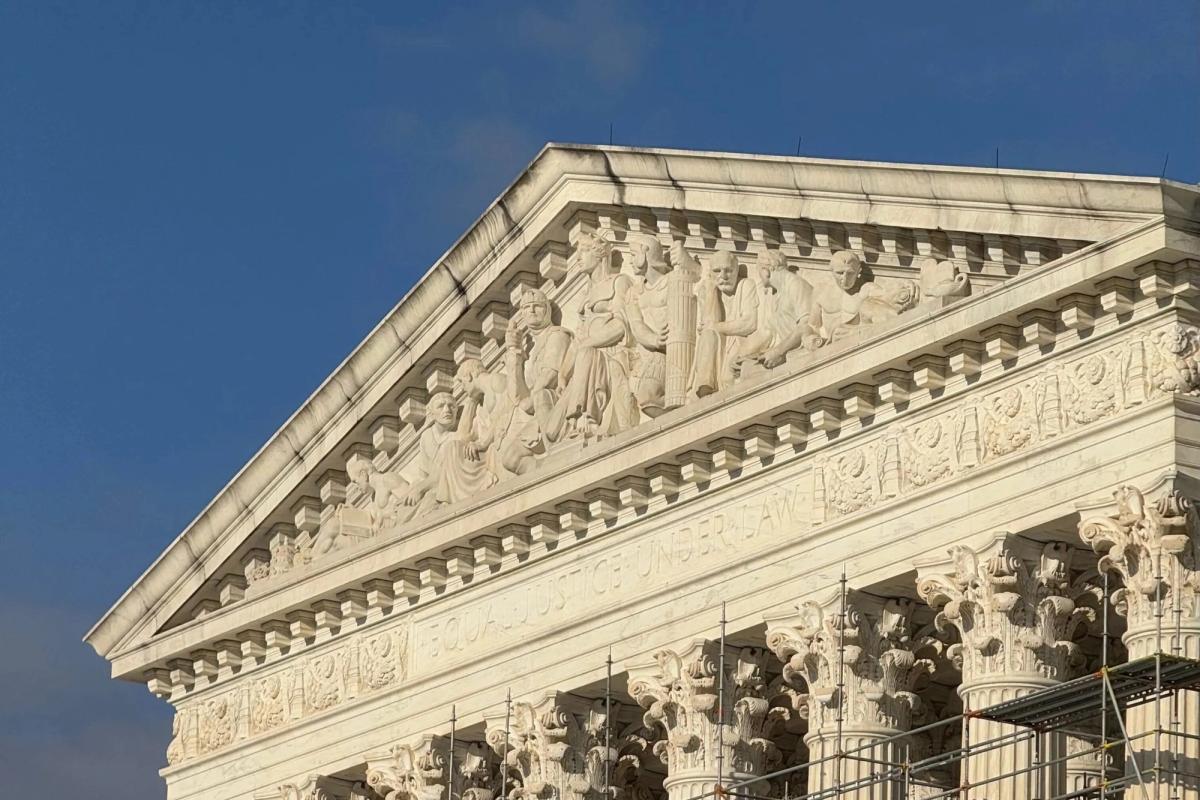
Supreme Court Justices Elena Kagan and Amy Coney Barrett will testify before Congress, marking a rare public appearance by sitting justices on Capitol Hill. The testimonies reflect ongoing Congressional interest in judicial conduct, ethics, and the Court's role in American governance.
Kagan and Barrett represent different ideological wings of the current Court. Kagan sits on the liberal wing, while Barrett anchors the conservative majority. Their joint appearance signals bipartisan Congressional concern about institutional matters affecting the judiciary.
The testimonies arrive as the Court faces intensified scrutiny over ethics and impartiality. Recent controversies involving undisclosed luxury trips by Justice Clarence Thomas and questions surrounding Justice Samuel Alito's draft opinion in Dobbs v. Jackson Women's Health Organization have prompted lawmakers to examine judicial accountability standards.
Separately, former President Donald Trump petitioned the Supreme Court seeking reconsideration of a $5 million jury award against him. The lower court judgment stemmed from defamation claims. Trump's request invokes the Court's discretionary appellate jurisdiction, though the likelihood of acceptance remains unclear given the Court's selective docket and the finality typically accorded to jury verdicts in defamation cases.
The Court receives thousands of petitions annually and grants certiorari in fewer than 100 cases yearly. Trump's petition would need four justices to vote for review. The Court typically declines cases involving damages awards unless they present novel constitutional questions or circuit splits.
Justices rarely appear before Congress to testify. Chief Justice John Roberts has resisted such appearances, viewing them as potentially compromising judicial independence. Kagan and Barrett's willingness to testify signals evolving perspectives on the judiciary's relationship with the legislative branch.
The Congressional testimonies likely will address the Court's administrative operations, ethical guidelines, and public confidence in judicial impartiality. Both justices have previously