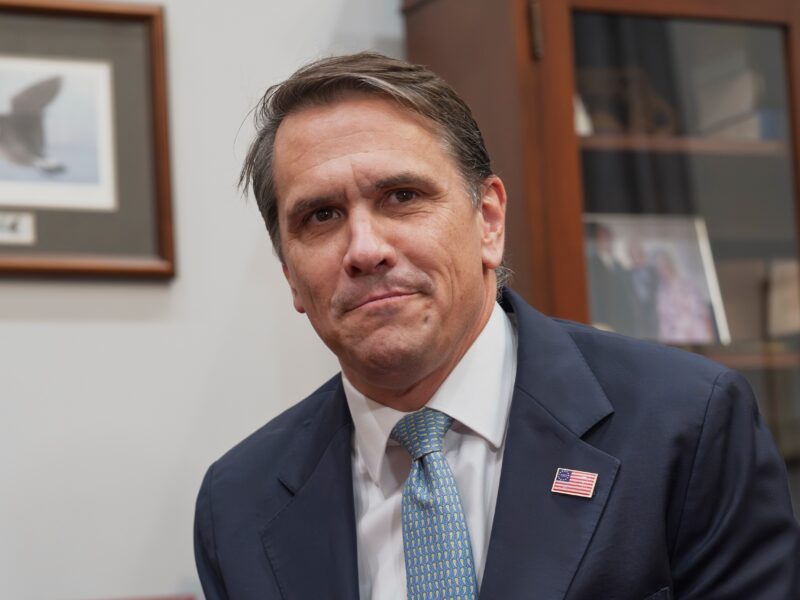
Trump's attorney general nominee faced criticism from Democrats over his stewardship of a $1.8 billion anti-weaponization fund. The nominee told a top Democratic senator he "made a mistake" regarding the fund's management, according to reporting on his private conversations.
The Senate Judiciary Committee will conduct confirmation hearings Wednesday. Bipartisan senators plan to question the nominee about the fund's purpose, allocation, and oversight. Democrats have signaled concerns that the fund may have been misused or diverted from its intended anti-weaponization objectives.
The fund itself represents a significant policy initiative aimed at preventing the politicization of federal law enforcement and intelligence agencies. Its creation followed debates about whether prior administrations weaponized these institutions for political purposes. The scale of the fund—$1.8 billion—indicates Congress allocated substantial resources to address these concerns.
The nominee's admission that he "made a mistake" suggests potential mismanagement or policy errors in how the fund operated under his authority. This acknowledgment could complicate his confirmation process, as senators from both parties traditionally scrutinize nominees' judgment and accountability for large government expenditures.
The hearing represents a critical juncture for Trump's cabinet formation. As the nation's top law enforcement officer, the attorney general wields enormous power over federal prosecution, civil rights enforcement, and departmental operations. Senate confirmation requires a simple majority vote, though bipartisan opposition could create obstacles.
The nominee's admission to the Democratic senator demonstrates his awareness of potential vulnerabilities entering the hearing. His willingness to acknowledge error may signal an attempt at damage control, or it could indicate genuine concern about the fund's misapplication.
Confirmation hearings on executive branch nominees typically examine nominees' records, decision-making processes, and fitness for office. This nominee faces the added burden of defending a specific high-dollar program alongside broader questions about his legal philosophy and approach to the