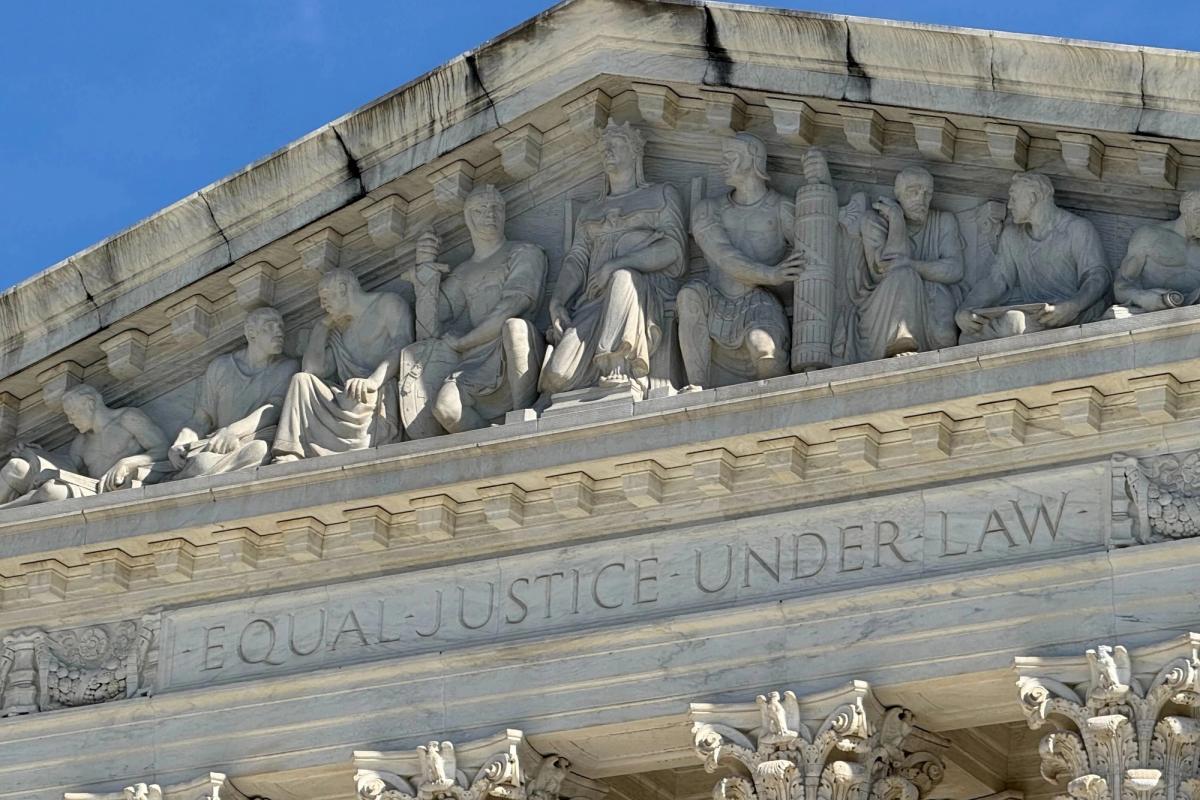
Chief Justice John Roberts and Justice Amy Coney Barrett earned qualified praise from legal analysts for their respective opinions this term, though neither judge delivered the sweeping conservative victories some court observers anticipated.
Roberts authored the majority opinion in a case addressing the scope of federal regulatory authority, maintaining established precedent while narrowing the application in specific contexts. The decision reflected his institutional concerns about preserving the Court's credibility and avoiding dramatic doctrinal shifts that could invite legislative backlash. Barrett wrote a concurrence questioning the reasoning behind a major precedent but stopped short of joining calls for outright reversal, signaling restraint on her second year on the bench.
Both justices positioned themselves as institutionalists willing to resist pressure from their ideological allies. Roberts has consistently prioritized the Court's public standing since his decisive vote to uphold the Affordable Care Act in 2012. Barrett's early record suggests similar concerns about the perception of judicial overreach, despite her appointment by President Trump following the Roe v. Wade reversal speculation.
Legal observers noted the contrast with Justices Clarence Thomas and Samuel Alito, who showed greater willingness to revisit longstanding doctrines. Thomas pushed for expansive Second Amendment rights and questioned the constitutional basis for entire regulatory regimes. Alito authored opinions reflecting a more aggressive originalist methodology.
The term exposed continuing tensions within the Court's conservative majority. While Roberts and Barrett demonstrated tactical caution, they did not side consistently with the Court's liberal wing. Their opinions vindicated neither the progressive left nor the hard-right faction, placing them in a genuine center-right position rather than at either ideological pole.
Court analysts predict this pattern will persist, with Roberts and Barrett functioning as potential swing votes on the most divisive cases. Their restraint this term suggests they view institutional legitimacy as paramount, even when that restraint disappoints fellow conservatives seeking bolder constitutional reinterp