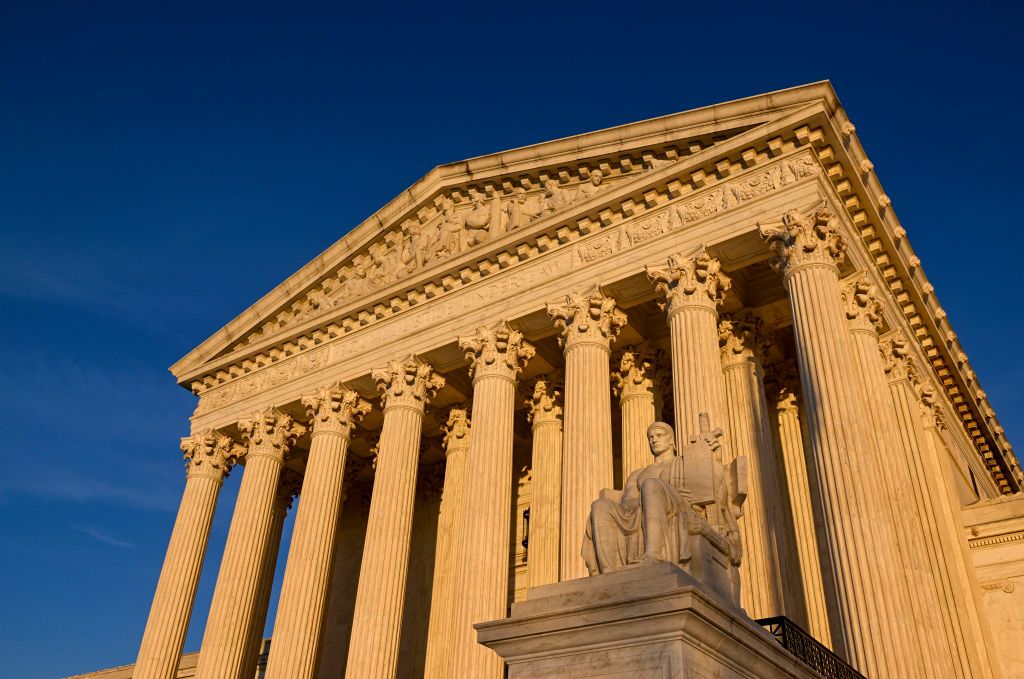
# Supreme Court's Most Unexpected Decisions This Term
The Supreme Court handed down several rulings this term that defied conventional predictions and altered established legal doctrine. Justices departed from anticipated ideological alignments, producing outcomes that caught legal analysts and practitioners off guard.
Chief Justice John Roberts joined the liberal wing to preserve the Affordable Care Act's subsidies in a prior term decision, but this term saw different fractures emerge across major cases. The Court's composition created unexpected coalitions on issues ranging from affirmative action to religious liberty, with some conservative justices reaching conclusions that surprised court watchers who based predictions on partisan voting patterns.
The affirmative action decision eliminated race-conscious college admissions under the Equal Protection Clause, striking down practices at Harvard University and the University of North Carolina. Yet the reasoning and breadth of Justice Clarence Thomas's majority opinion contained language that extended beyond what many anticipated, potentially affecting other federal programs relying on racial classifications.
On the flip side, the Court's decision regarding LGBTQ rights under Title VII of the Civil Rights Act of 1964 surprised conservatives. The majority held that sex discrimination protections cover sexual orientation and gender identity, with Justice Neil Gorsuch authoring the opinion. His textualist approach to statutory language yielded results that conventional ideological tracking had not predicted.
These rulings demonstrated that Supreme Court justices operate with their own independent jurisprudential commitments rather than acting as predictable partisan votes. The term exposed the limits of ideological scorecards and highlighted how legal methodology, constitutional philosophy, and individual justice perspectives can produce outcomes that defy simple left-right categorization.
For businesses, advocacy groups, and lower courts interpreting federal law, the unpredictability carries practical weight. Attorneys must litigate cases without certainty about doctrinal trajectories. Federal agencies implementing civil rights laws face new constraints and obligations. Law