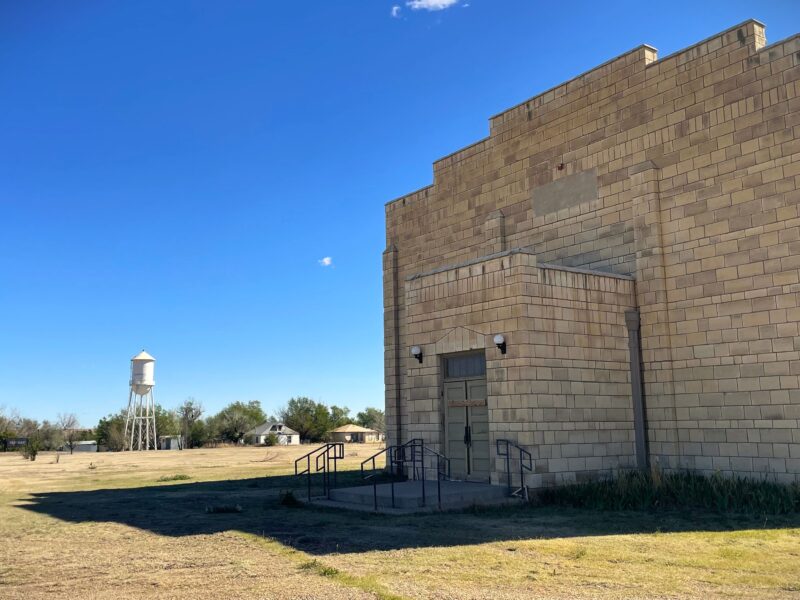
Colorado residents in the rural town of Hartman petitioned the state to reject an abandonment proceeding after the entire local government resigned in January, creating a governance vacuum. The town lost its capacity to conduct elections and maintain critical infrastructure, including its water supply.
Colorado enacted legislation that expedites municipal abandonment proceedings, and Hartman's collapse triggered the law's operation. When a municipality loses its governing body and cannot perform essential functions, the state can declare the town abandoned. This process dissolves municipal authority and typically transfers remaining assets and liabilities to the county.
Hartman residents opposed abandonment. They argued that formal dissolution would harm property values and eliminate local control over land use decisions. An abandoned municipality loses its ability to zone property or govern development, powers that revert to county jurisdiction. Residents also faced uncertainty about what happens to municipal bonds, tax obligations, and utility operations.
The Colorado statute streamlines abandonment by removing obstacles that previously allowed struggling towns to resist state intervention. The law presumes that if a municipality cannot perform basic governmental functions, abandonment serves the public interest. Once declared abandoned, the town ceases to exist as a legal entity.
For Hartman, the stakes extend beyond administrative reorganization. Residents risk losing municipal identity and self-governance. The town's water system becomes a county responsibility, potentially affecting rates and service standards. Property owners in abandoned municipalities sometimes experience difficulty obtaining clear title when no local authority exists to issue permits or maintain official records.
The state must balance two competing interests. Residents deserve municipal services and governance structures. Equally, the state cannot maintain dysfunctional municipalities indefinitely. Colorado's law reflects the judgment that abandonment better serves the public than preserving hollow legal entities incapable of protecting resident welfare.
Hartman's request for rejection will test whether Colorado courts view abandonment as inevitable once a town government collapses or whether local opposition and resident organization can reverse