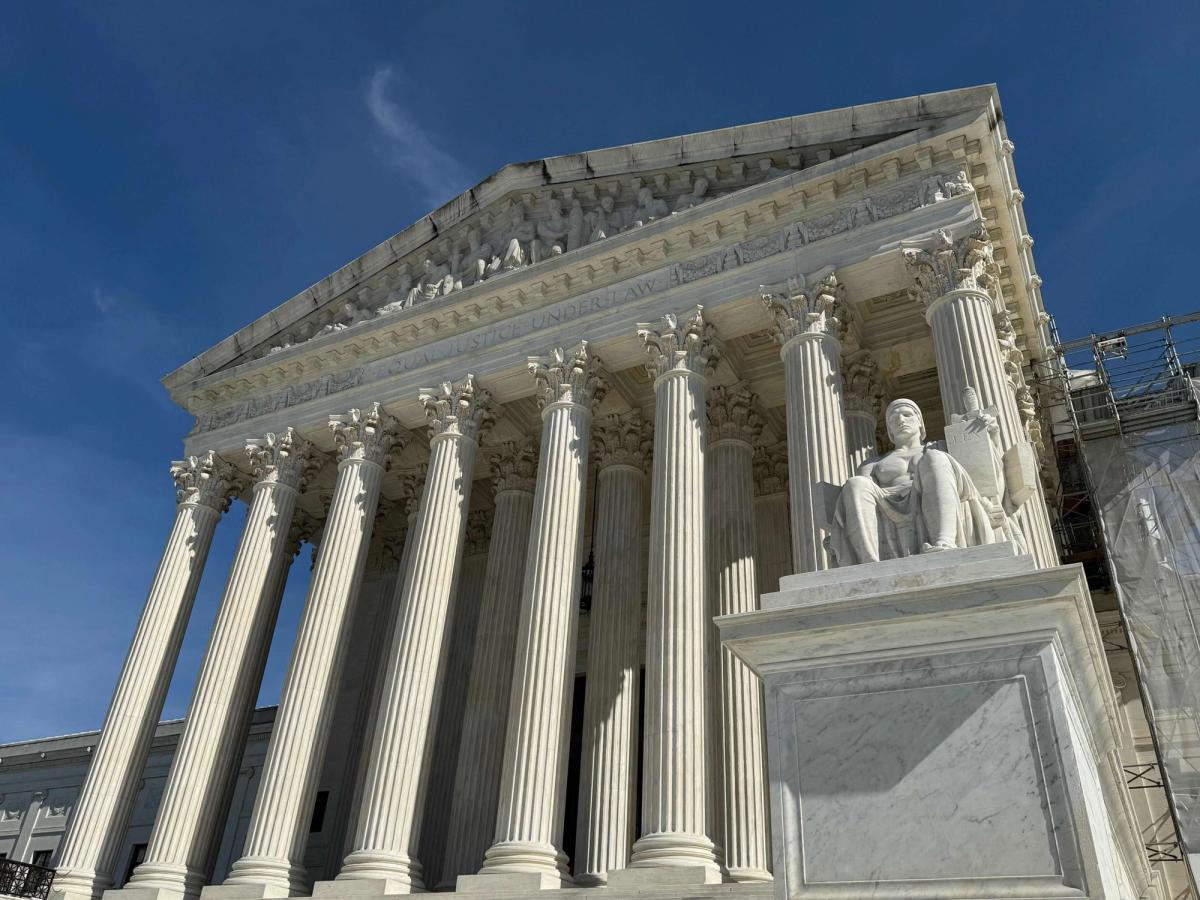
# Justice Jackson Reignites Constitutional Interpretation Debate at Supreme Court
Justice Ketanji Brown Jackson has intensified the Supreme Court's ongoing battle over constitutional interpretation methodology, challenging the textualist approach that has dominated recent decisions and exposing deepening fissures within the Court's conservative majority.
Jackson's recent opinions contest the strict textual reading of the Constitution favored by Justice Clarence Thomas and others. She argues that textualism, which prioritizes the plain language of constitutional provisions over historical context or consequences, produces outcomes disconnected from constitutional purpose and practical reality.
The clash reflects a fundamental disagreement about how justices should interpret foundational law. Textualists contend that their method constrains judicial discretion and prevents outcome-driven reasoning. Critics, including Jackson, counter that textualism ignores the document's structural logic and can produce absurd or harmful results when applied mechanistically without regard to purpose.
Jackson's dissents highlight specific areas where rigid textualism breaks down. Her opinions examine how textualist reasoning in recent cases has affected voting rights, administrative law, and other domains where practical consequences matter. She pushes back against the notion that textualism represents neutral, objective judging.
The Court's ideological composition has enabled textualist victories in high-profile cases. Yet Jackson's interventions reveal cracks in the conservative coalition. Some justices, particularly those occupying the Court's middle ground, appear hesitant to follow textualism to its logical extremes when doing so produces outcomes they find troubling.
Jackson's aggressive engagement with textualism signals that the methodology debate will intensify during upcoming terms. As newer justices like Jackson bring fresh perspectives, the presumed textualist consensus may face serious challenge. Lower courts watching for signals about interpretive direction will face uncertainty about which approach the Court ultimately endorses.
The interpretation wars matter because they determine how courts resolve disputes